
Samarkand is one of the oldest historical cities in Uzbekistan. There was a time when the caravans of the Great Silk Road passed through here. The city was founded in the 18th century BC. At that time it was the capital of the ancient kingdom of Sogdiana, described in the Zoroastrian book Avesta. The Romans and Greeks called this city Marakanda. It was Marakanda that was conquered by Alexander the Great in 329 BC. Samarkand was conquered many times by the Akhemenids, Greeks, Hephthalites, Arabs, Türks, Samanids, Karakhanids, Genghis Khan and Amir Timur. It was during the time of the Timurids that the city flourished. Academic and cultural life is growing, and trade is reaching a new level. It was during this period that Samarkand received most of its architectural monuments, which have survived to the present day.
Samarkand was the capital of the Empire of Timur (Tamerlane). Oulugh Beg, grandson of Tamerlane, made the city a center of scientific and cultural life in the Orient. It has a number of medieval architectural monuments, many of which have been included in the UNESCO World Heritage List. Today, Samarkand is a city that combines ancient Eastern traditions with modernity. It is the second largest city in Uzbekistan, with a population of over half a million people.
Sights and attractions of Samarkand
Ulugh Bek Observatory


At the foot of Koukhak Hill, Mirzo Oulugh Bek (the grandson of Tamerlane) erected a very high observatory to compile astronomical tables. At the request of Ulugh Bek in 1428-1429. the majestic building of the observatory was erected, the equivalent of which was not known at that time in the whole world. Oulugh Bek summoned the most eminent scientists and engineers for the construction of this magnificent edifice. Alaüddin Ali ibn-Muhammed (« Ptolemy of his time »), nicknamed Ali Kushchi, Salahuddin Musa ibn-Muhammed Kazy-Zade-Rumi (« Plato of his time »), the greatest expert Giyasiddin al-Kachi and others have participated in the project and improved the necessary astronomical instruments. According to certain historical sources, Ulugh Bek also taught in his medersa (located on the square of Registan). The most brilliant and gigantic achievement of the Samarkand astronomers was their catalog of stars, designed with prefaces and named « Zidji Guragoni ». The coordinates of 1018 stars are determined in the catalog. Samarkand astronomers worked on these tables for a long time and finalized them in 1437, but Ulugh Bek made changes and additions to them until his death. Today we only have the underground part of the sextant (essential instrument of astronomers) of this building.
The Afrosiab Museum


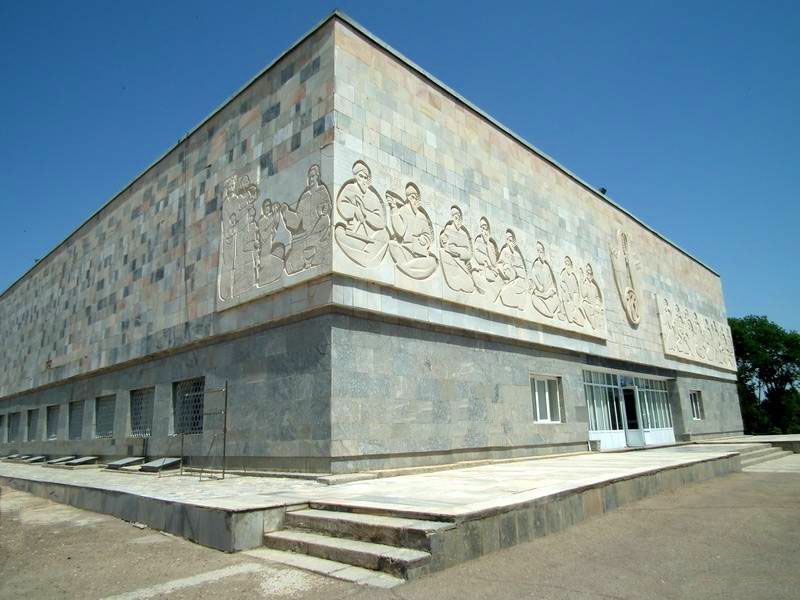

Afrosiab – it is a cradle of the history of Samarkand. It is here that the city takes its birth around XVIII-XVI s.s. BC. Named Sogdiana, this ancient city was conquered by different conquerors and dynasties such as the Akhemenids, Greeks, Türks, Arabs and Mongols. In the IX-X centuries. the area of the inner part of the city reached 220 hectares. Genghis Khan will end its existence in the 13th century, razing the entire city and most of its population. In the 2nd half of the 20th century, this museum was created to save archaeological works and especially the original frescoes from the palace of Varkhuman (the Sogdian king) dating from the VI-VII s. A.D.
The Bibi-Khanum mosque
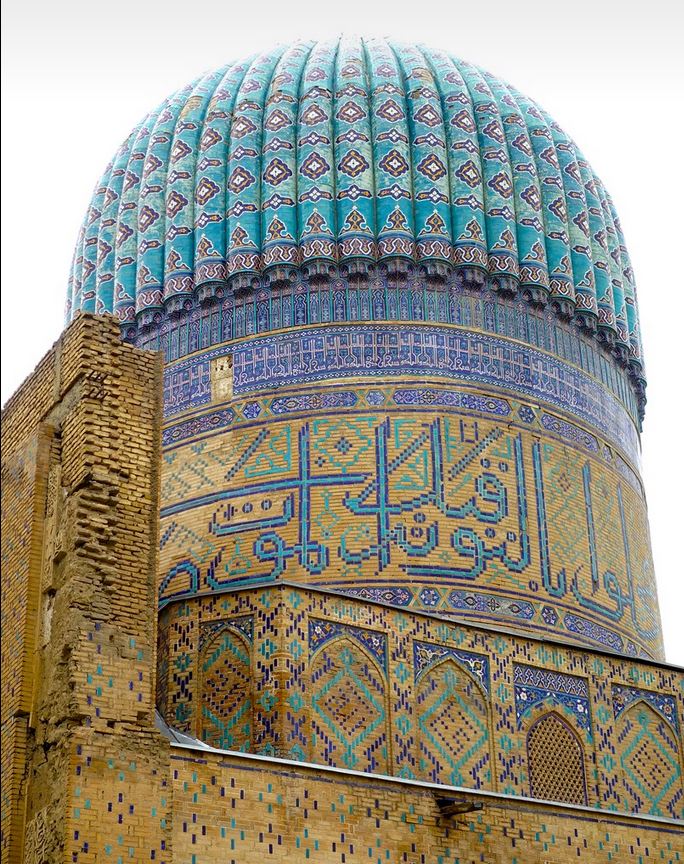
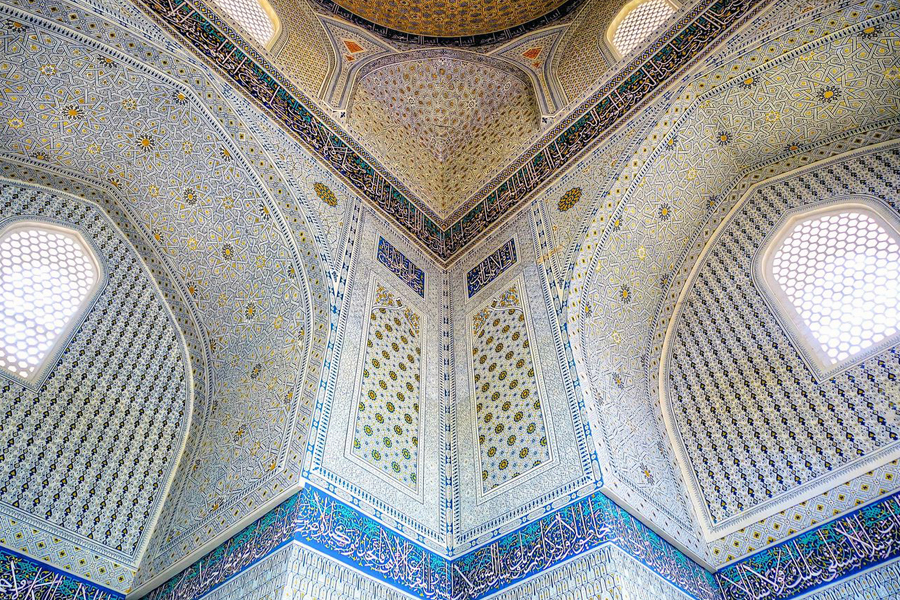


The Bibi-Khanum Mosque (Bibi-Khanum means « Elder Woman ») was erected between 1399-1404 by order of Tamerlane, to commemorate his victorious military campaign in India. According to some rumors, the mosque was built by the wife of Tamerlan – Saray Mulk Khanum or Bibi-Khanum, from which comes the name of the building. It was at this time that a monumental ceremonial style developed in the architecture of Central Asia whose scales corresponded to the well-known saying of Amir Temur: « If you doubt our strength and power, look at our buildings ». . The mosque was built in a short time – in five years. Talented local craftsmen, as well as masons from Azerbaijan, Iran, Khorasan and Hindustan, participated in the construction. To facilitate heavy work, 99 Indian elephants were used.
Registan Square

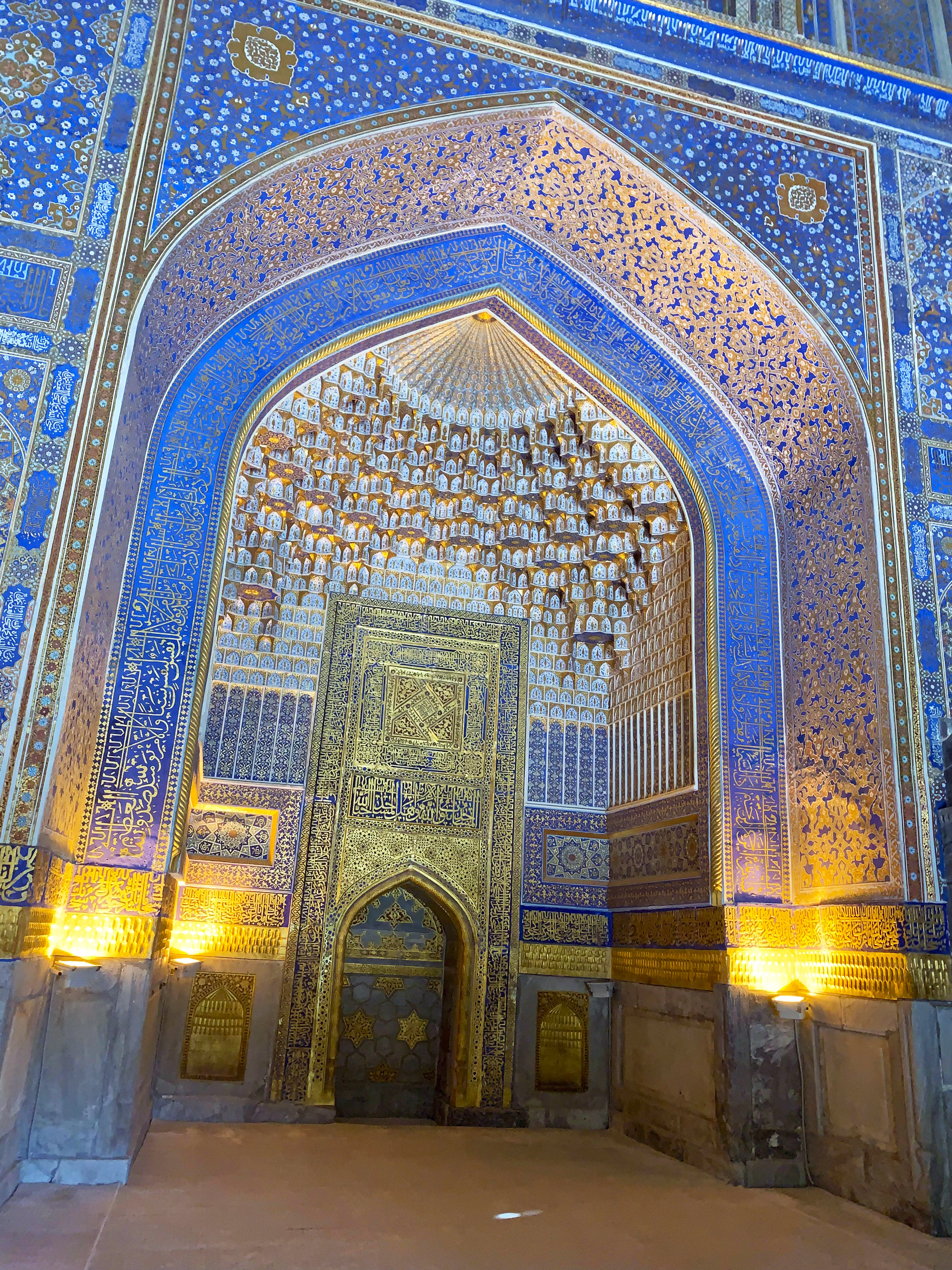


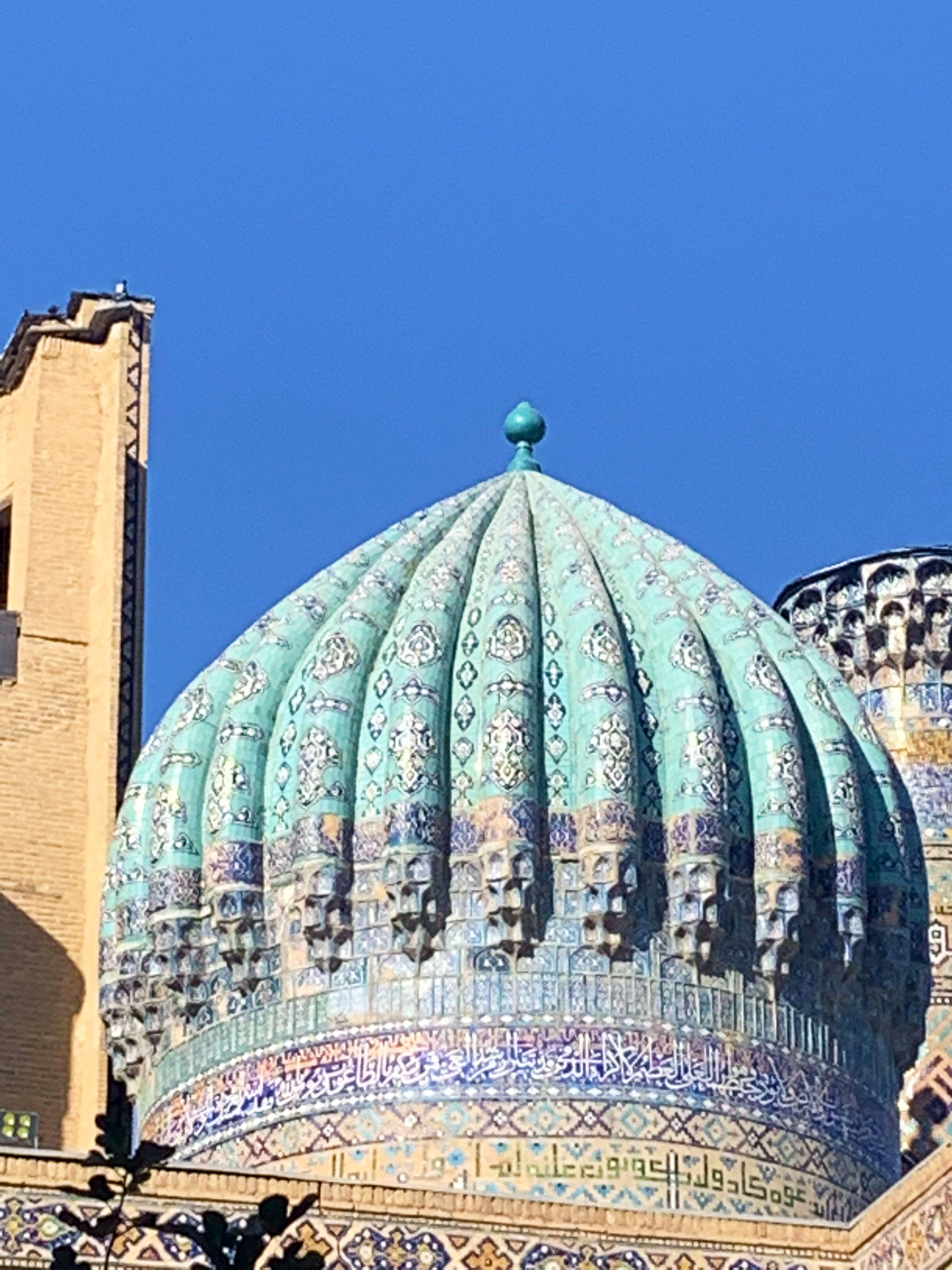

Registan Square (Registan means « Square of Sand ») – is the administrative, commercial and craft center of the eastern city. Samarkand Registan is one of the most outstanding examples of the art of town planning in Central Asia, formed in the 17th century and consisting of three madrasas – Ulug Bek (1417-1420), Sher-Dor (1619-1636 ) and Tilla-Kori (1647 -1660). There you can leaf through thousands of pages of Samarkand’s stories. The entire history of the medieval city can be found there. To the northeast is the Chorsu commercial building, built in the 18th century. It is said that « all roads lead to Rome ». Undoubtedly, all roads in Samarkand lead to Registan. Six radial streets converge the square.
The Gur Emir (Mausoleum of Tamerlane)

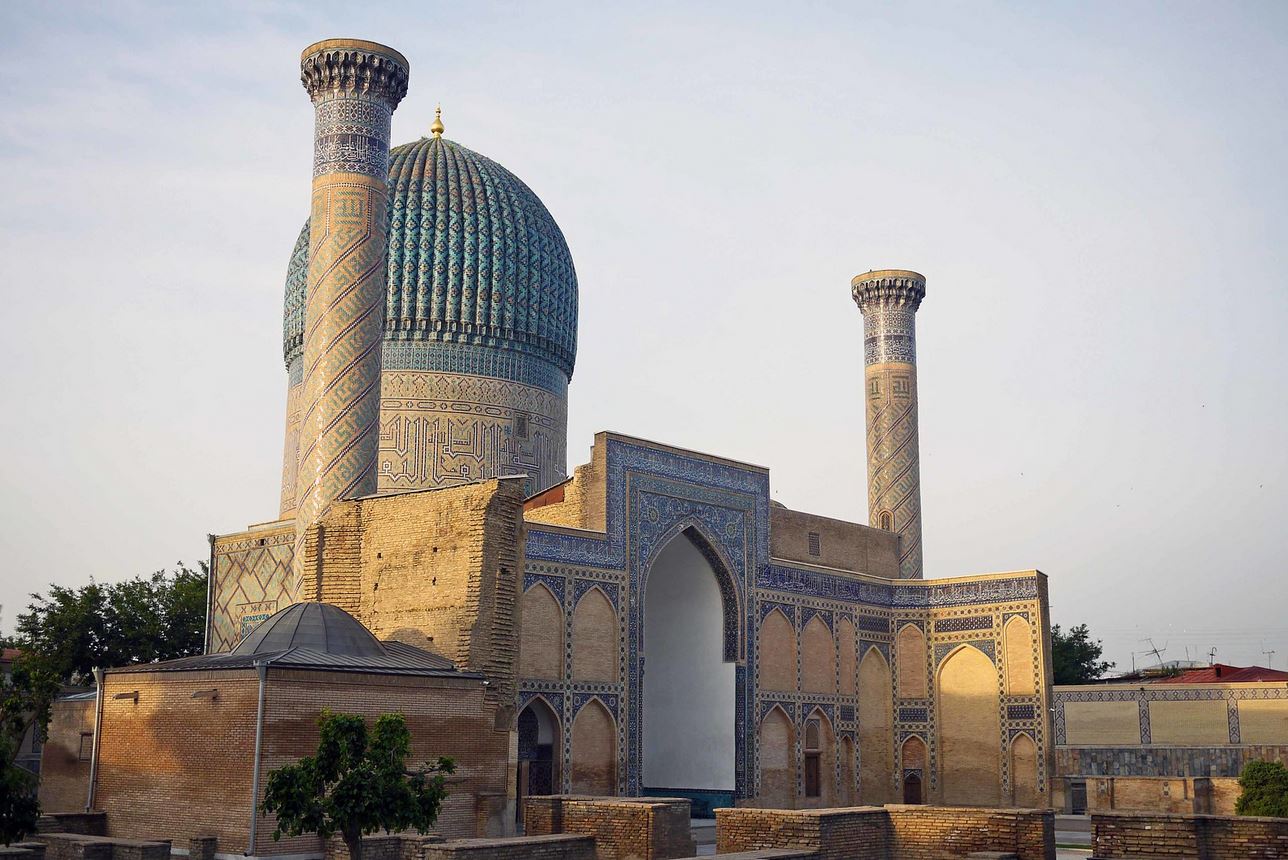
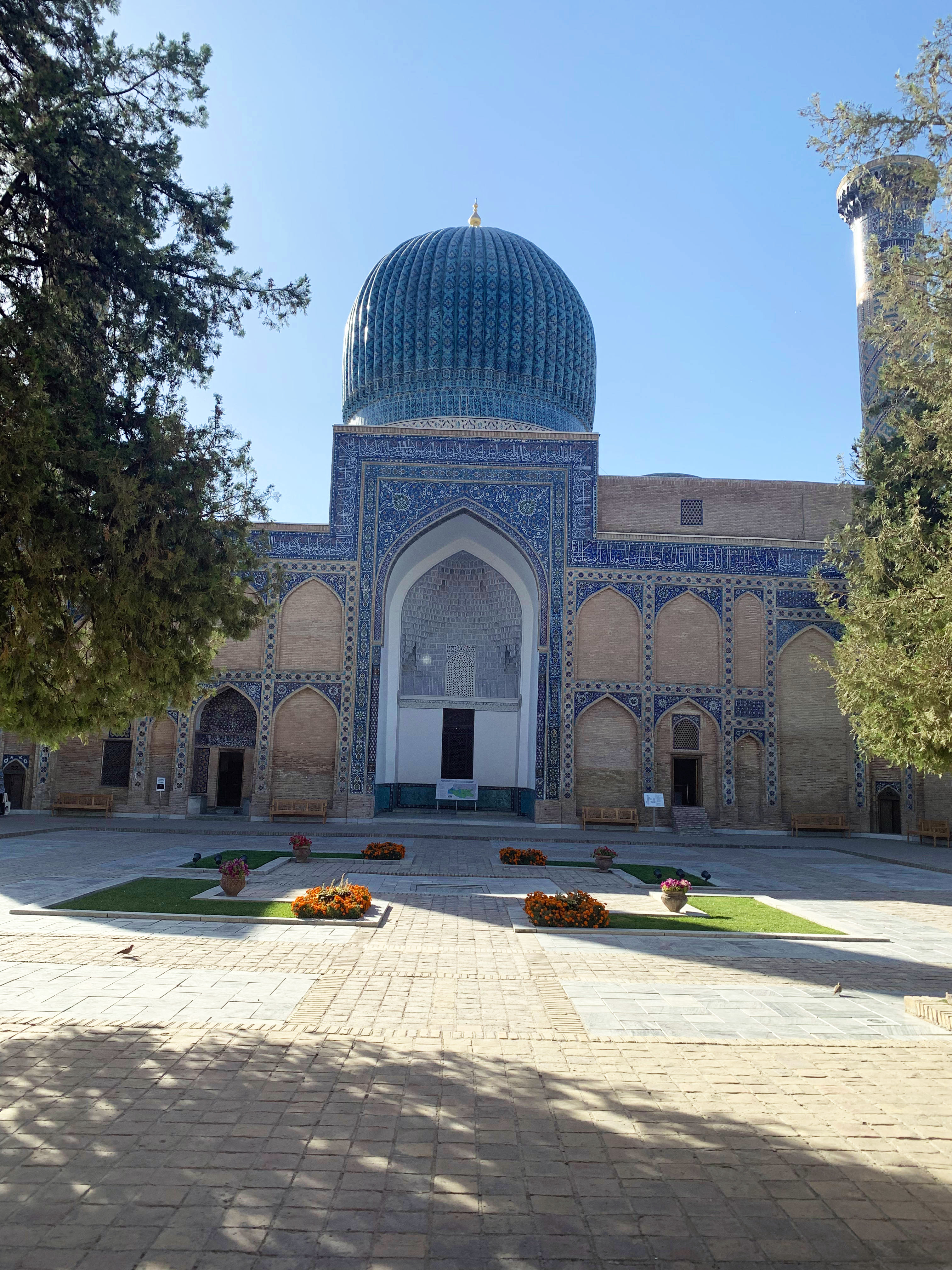
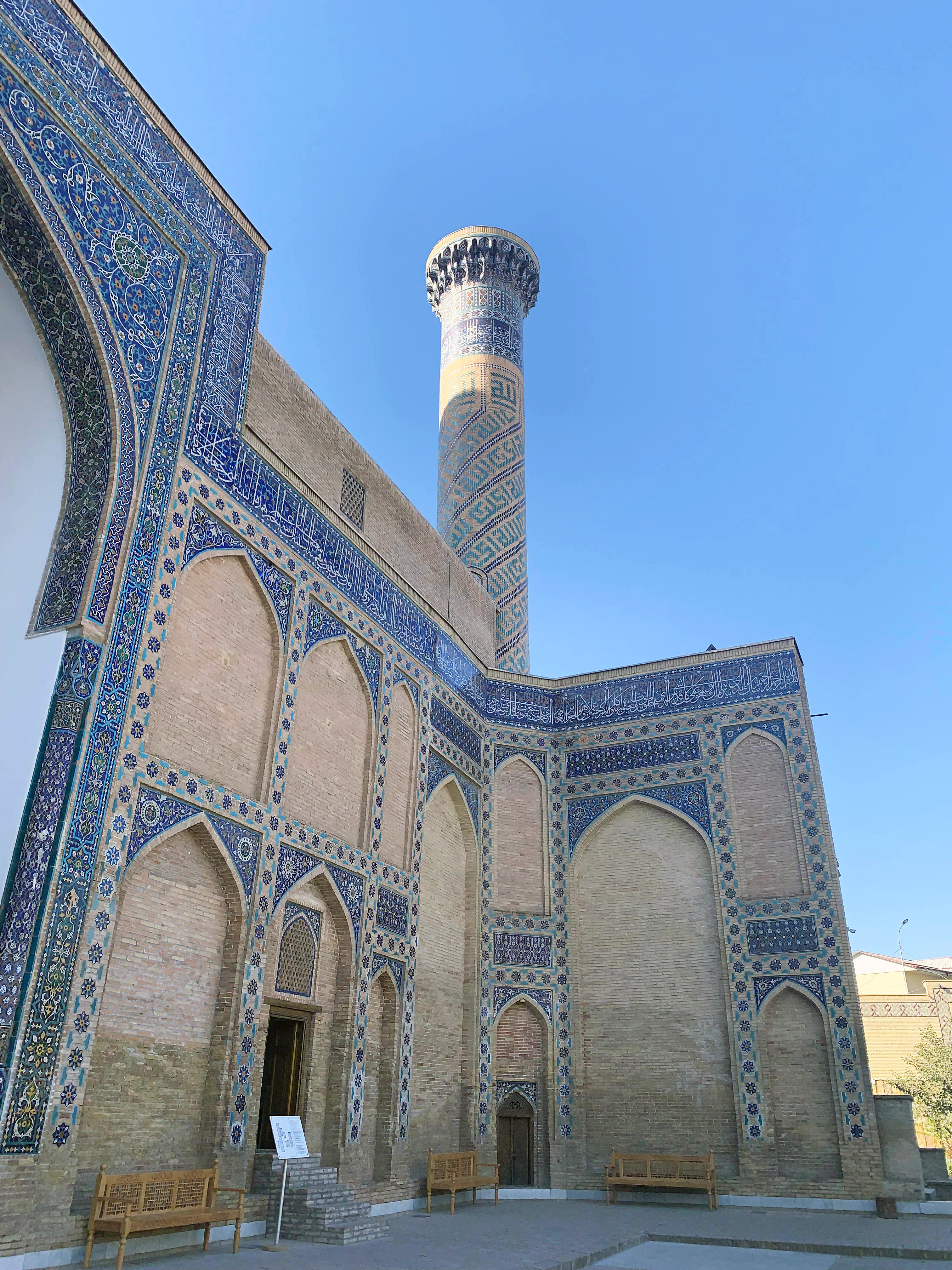

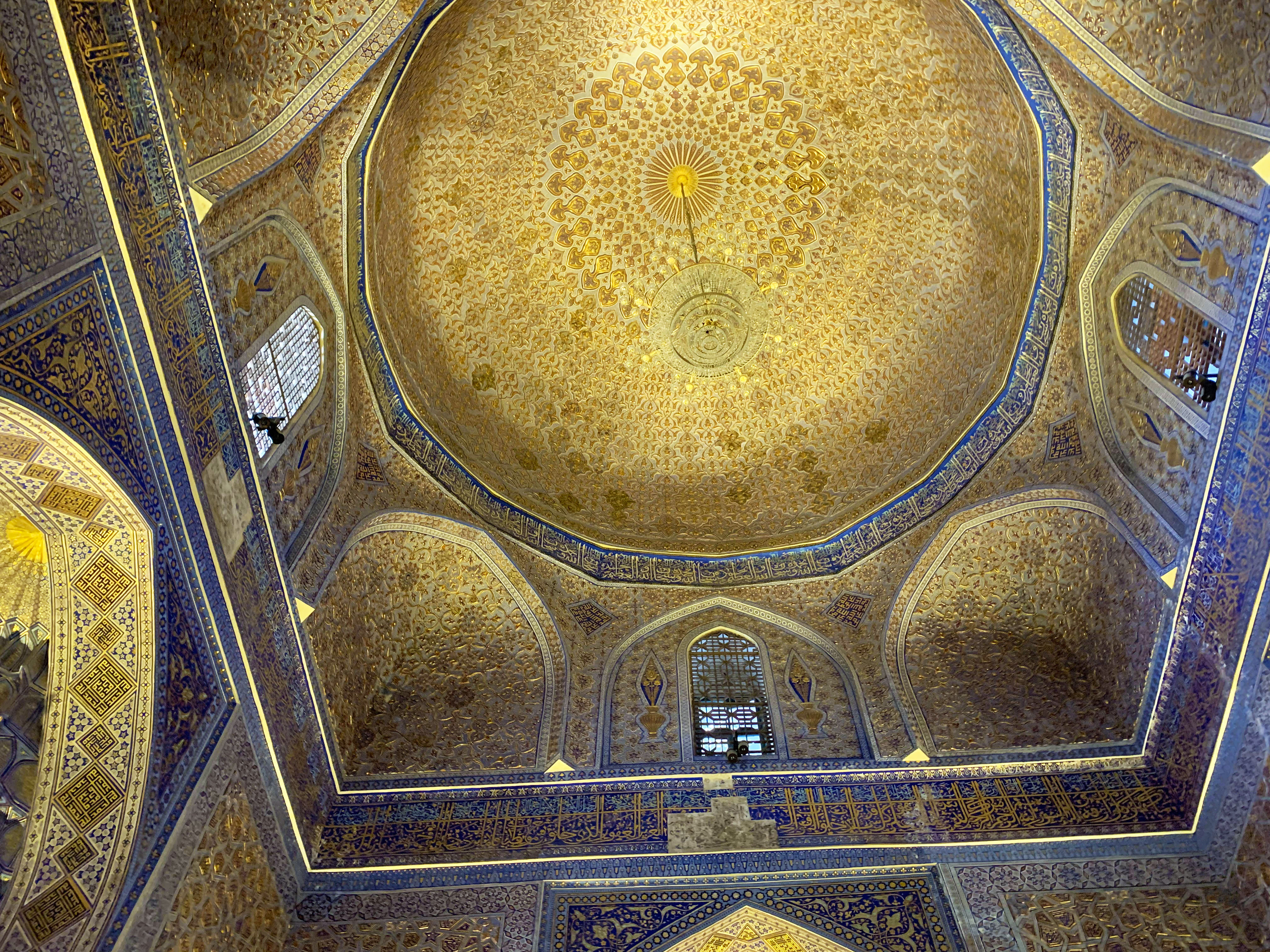
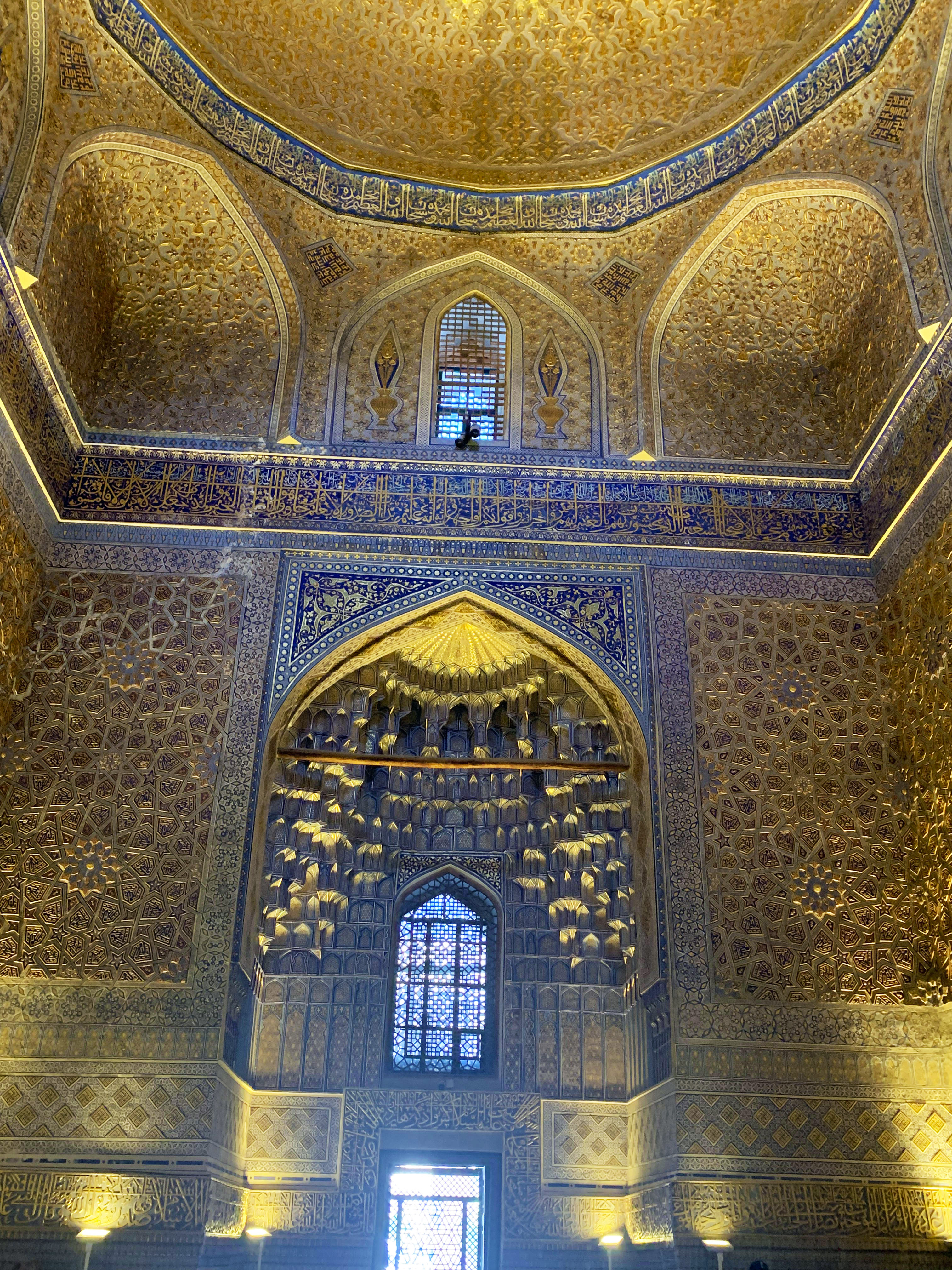

Gur Emir (meaning- « the tomb of the Amir, the ruler) – is the tomb where Amir Temur (Tamerlane), his sons and grandsons are buried. Initially, the mausoleum was intended only for the grandson of Temur, Mohammed Sultan, who died young during a military campaign in 1403. Temur, shocked by the death of his beloved grandson, in whom he saw the heir to the throne, ordered the construction of a mausoleum on the territory of the whole of Prince Mohammed Sultan. He was his eldest son Jahangir’s grandson and replaced Timur in his absence, being considered his successor to the throne. The exterior is adorned by the glazed bricks and mosaic of earthenware. The gadrooned dome, 12.5 meters high and 15 meters in diameter below, has 64 ribs, The interior is majestically adorned with gilded decorations and onyx (semi-precious stone). The tombstones in the center of the room are only used as decorations.The tombs, as for them, are in the same order underground, in the crypt.
Shakhi Zinda necropolis

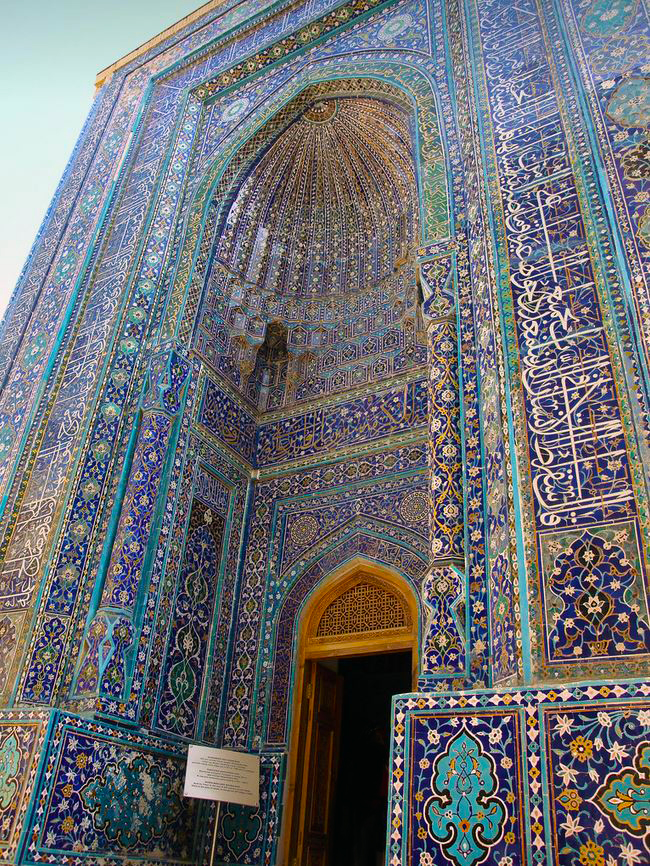


Shakhi Zinda necropolis – is one of the rare and unique pearls of Samarkand architecture. It is here that the members of the Tamerlane family and the noble people of his time rest. The initial part of the necropolis, founded in the 11th century. was the tomb of a saint Kussam Ibn Abbas, assassinated during his prayer, who, according to legend, descended into the deep well and until now awaits the « last Judgment » to return to the earth (hence the name Shakhi ZInda – meaning the « Living King »).
The bazaar (market) Siab

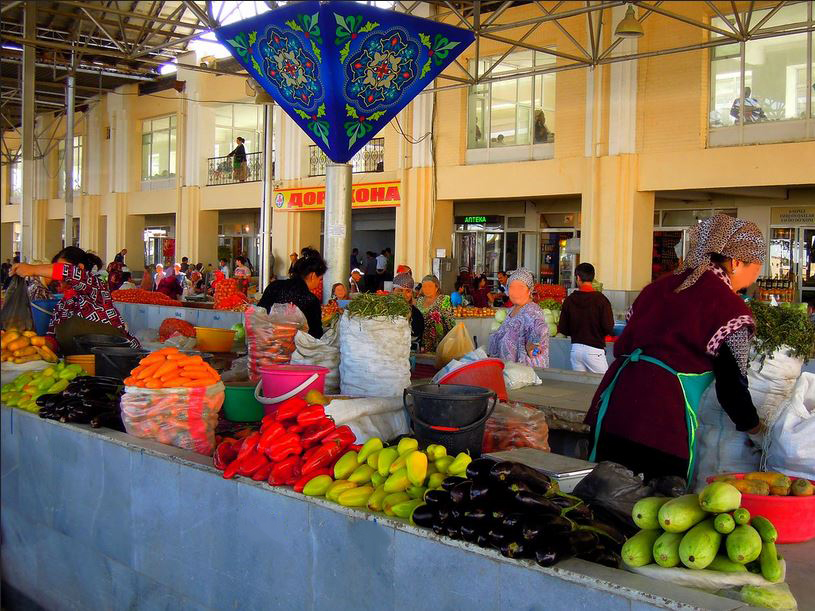


The Siab bazaar – it’s not just a food market, it’s a way of life of Uzbeks, stemming from their past, culture, traditions and history. You will dive into a universe of medieval inhabitants, the rows of fruits and vegetables, you will smell the aromas of saffron, cumin, coriander and all kinds of spices, where each merchant will make you taste his product to please you. In addition, do not especially forget that there are small shops that sell traditional souvenirs for tourists at reduced prices, compared to the stalls installed in the cells of madrassahs and tourist centers.
Khodja Akhrar Vali Complex

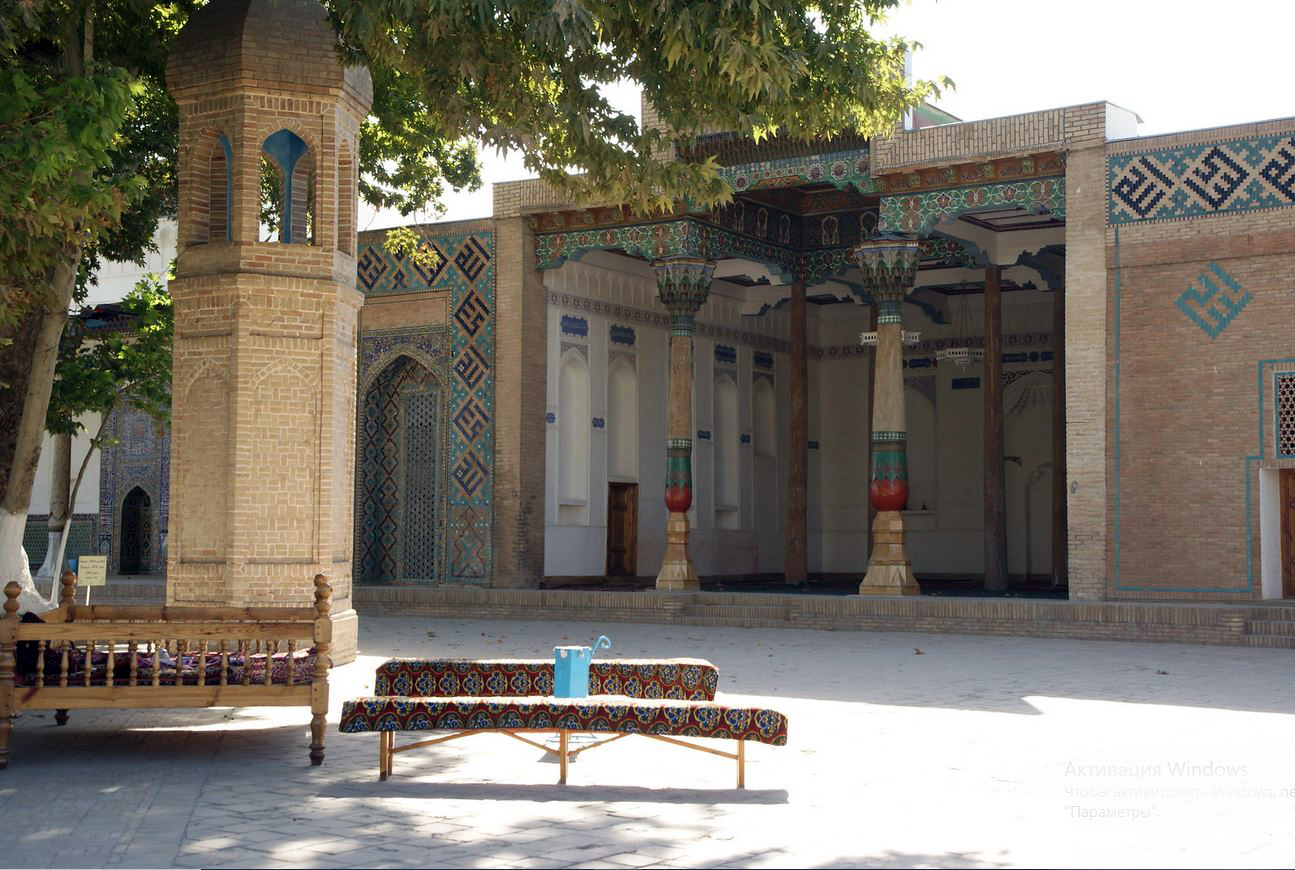


In the XVI century (1630-1631), Nadir-Divan Begi – the minister of Imamkuli-khan of the Achtarkhanid dynasty, ordered the construction of a madrassah and a mosque in honor of a Sufi, the one of the founders of a religious trend « nakhchbandiya » – Khodja Akhrar Vali. At present, the Khodja Akhrar memorial complex includes a madrassah, a summer and winter mosques, a columned aiwan and a small minaret built in 1909. The Nadir-Divan Begi Madrasah is often called the « mirror of Sher-Dor », the madrassah located on the place of Registan. The monument has come down to us in a badly damaged form, but has been well restored over time.
Mausoleum of Khodja Daniyar (Saint Daniel)
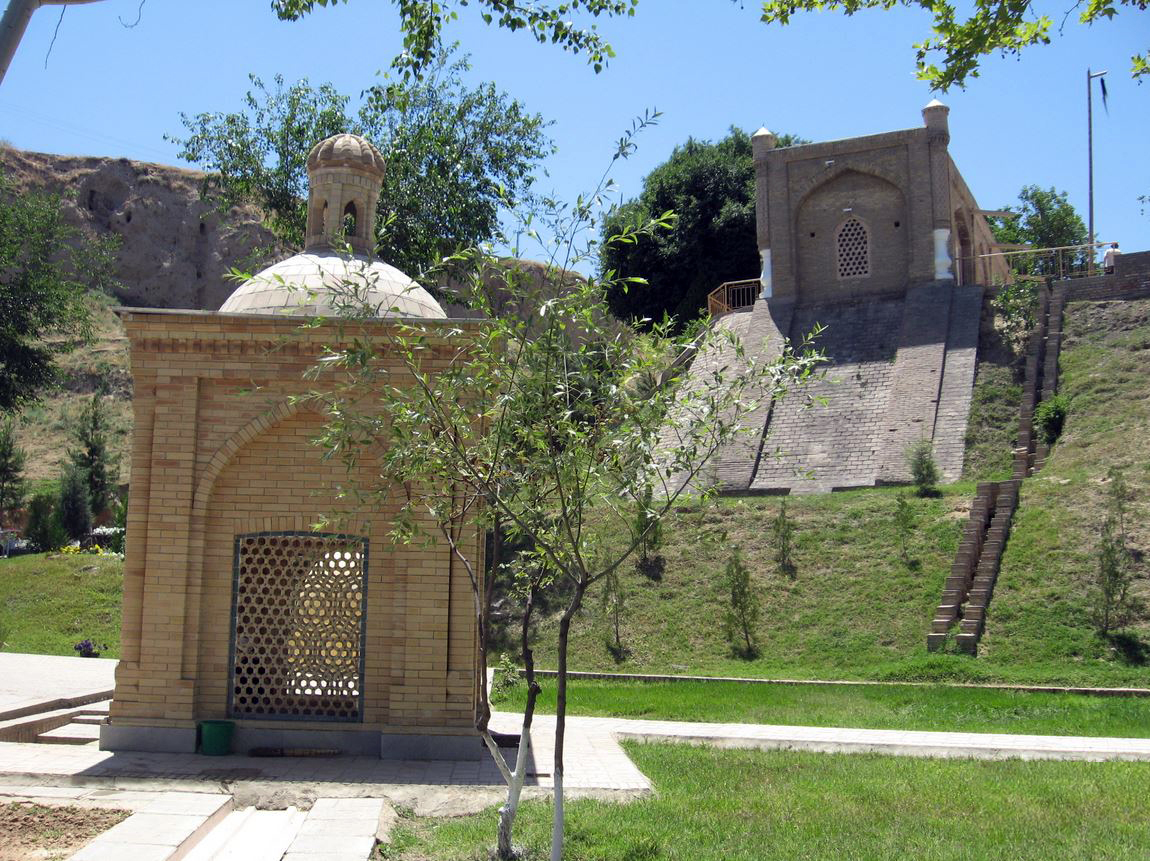
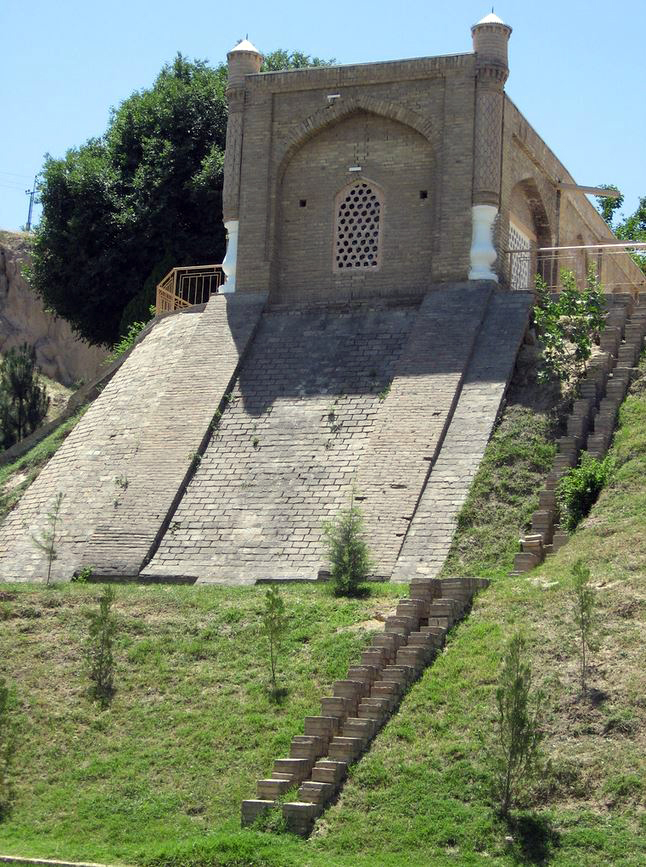

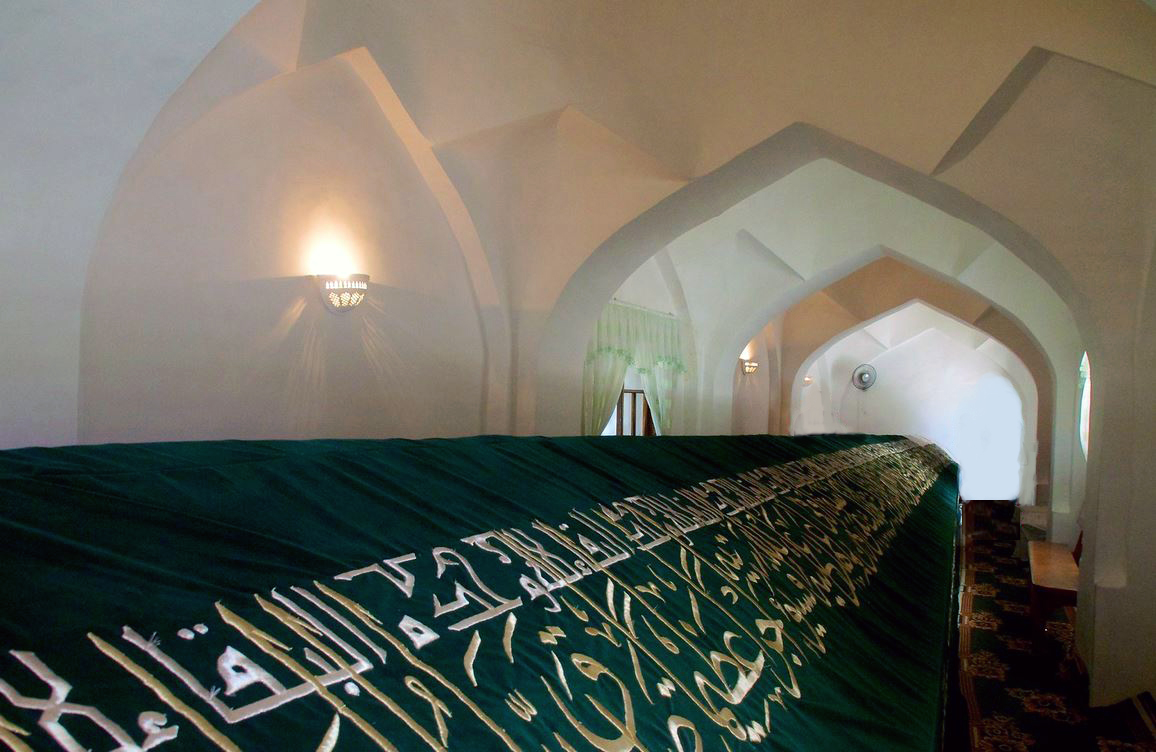
There is practically no place in the world where Muslims, Christians and Jews come to pray. But this tomb of the Old Testament prophet Daniel, also known as Daniil or Daniyar. It is located on the outskirts of the old city of Afrosiab which lies northeast of Samarkand. A long building with 5 domes of the mausoleum stretches on a high cliff of the hill. The Siab River flows at the foot of the hill. The extension of the building is directly linked to the tomb whose length is equal to 18 meters. Many legends and hypotheses are linked to this tomb. Some scholars claim that the remains were brought there by the early Christians, other people are inclined to think that they were ordered to deliver to Samarkand by the famous medieval ruler Amir Temur (Tamerlane). In any case, it remains a place of worship, pilgrimage and belief of different faiths.
The Ishratkhona mausoleum
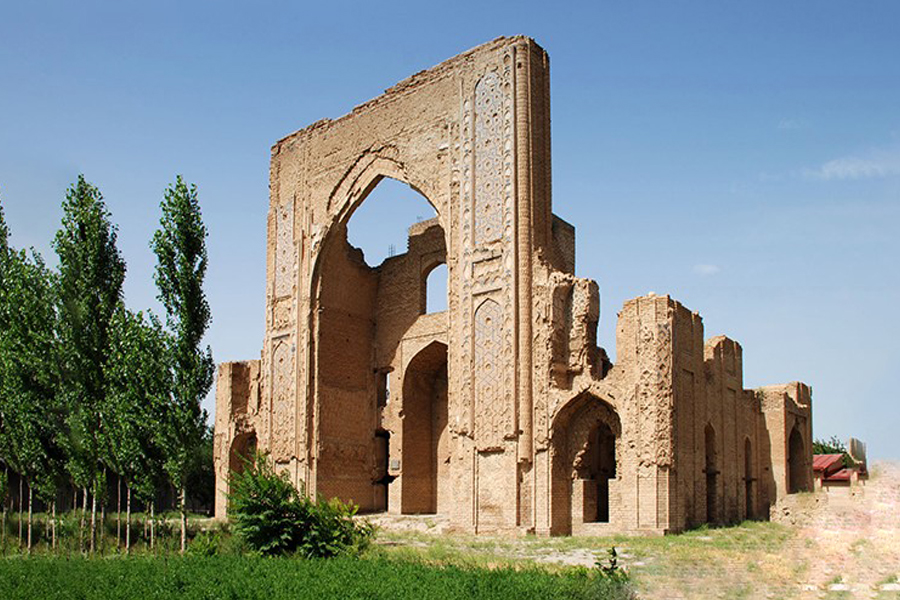
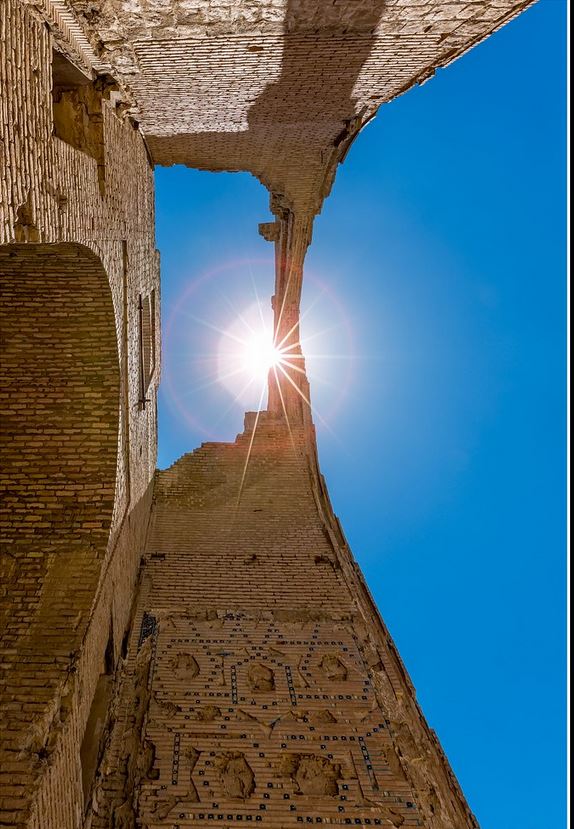
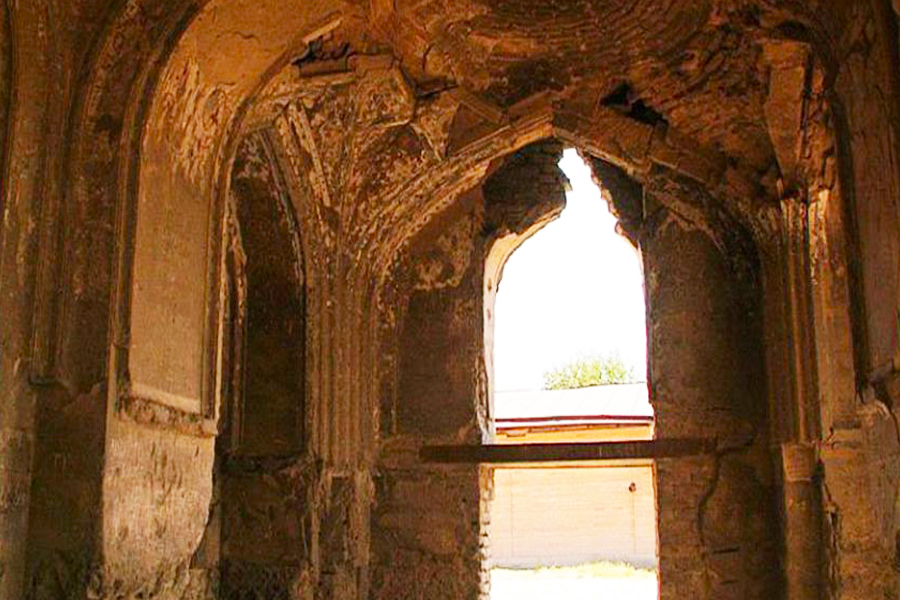

The literal meaning of the name Ishratkhona translates as « house of joy » or « house of pleasure ». However, there is a version that over the centuries changed the spelling of the monument’s name and initially sounded like Ashratkhona – which means « ten rooms » in Arabic. True, there is no documentary evidence of both versions, so we can only guess how the mausoleum was named. This complex was built during the reign of Tamerlane’s descendant, Abu Said, in the middle of the 15th century. Either way, the stunning artistic and architectural design of the building is simply amazing. Inscriptions have survived in the building, which contain information that the building was built under the leadership of the ruler’s wife, Sultan Ahmed Mirza. The monument was erected on the burial place of Princess Havend-Sultan-Bika. This building later became a mausoleum. Then this architectural monument already consisted of many buildings with a gallery leading deep into the mausoleum, and a mosque attached to the north side.
Mausoleum of Khodja Abdi Daroun
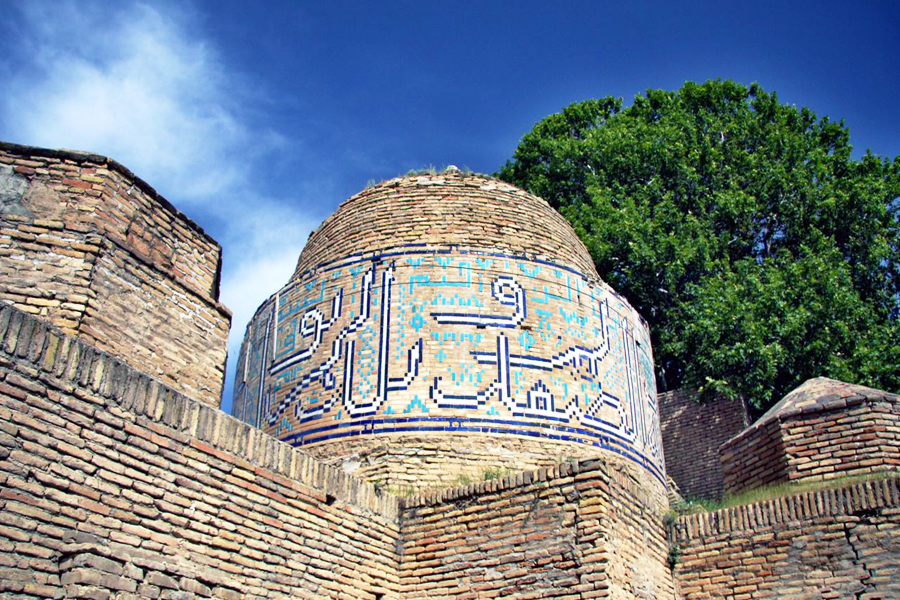


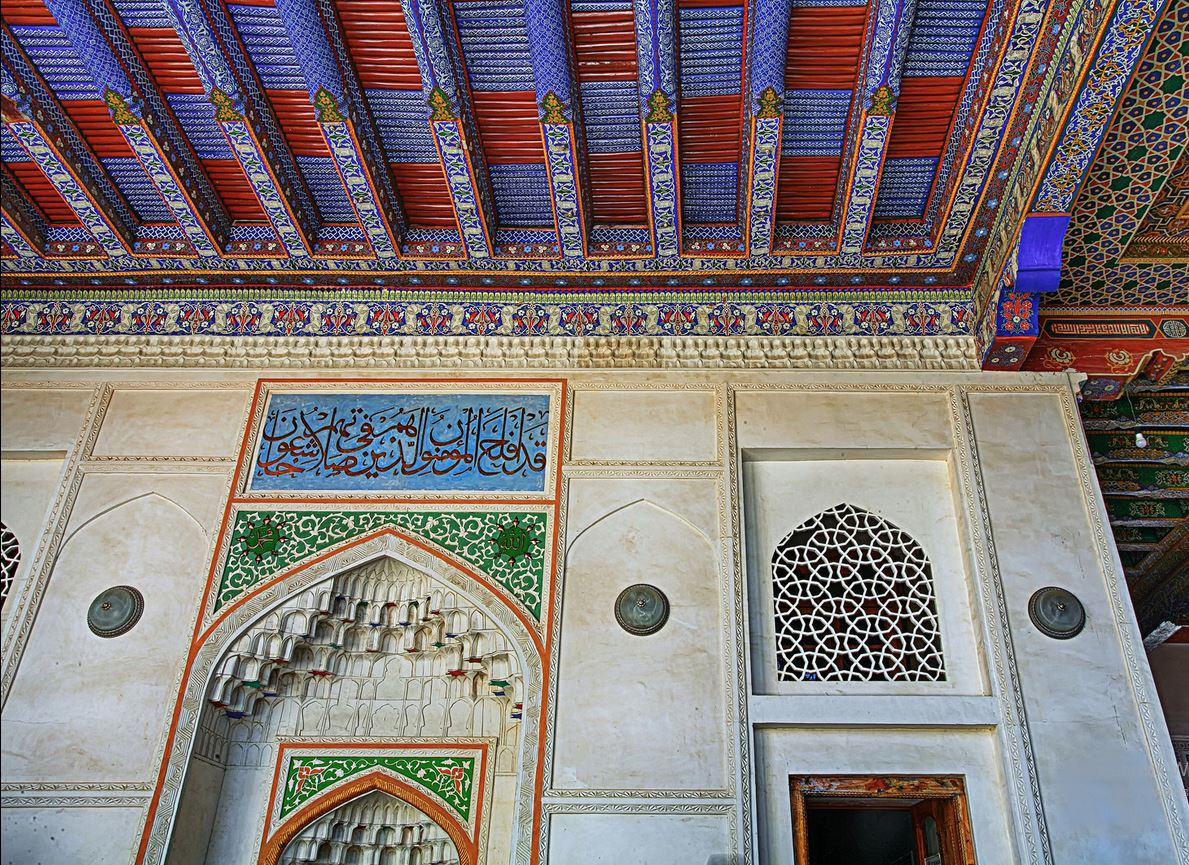
Abdi-Darun – is an architectural ensemble, dedicated to religious, spiritual and educational purposes founded around the ancient cemetery of Samarkand, which developed in the 12th-20th centuries on the tomb of the famous Islamic jurist of the 9th century Abd-al Mazeddin. The core of the whole is represented by the 12th century mausoleum, next to which were built, at different times, khanaka, mosque and madrassah. The radical restructuring of the whole, significantly changing its appearance, was carried out in the 15th, 19th and 20th centuries. The Abdi-Darun complex is one of the most revered Islamic shrines in Central Asia. The Abdi-Darun complex, with the exception of several secondary buildings, is located on an area of 125 by 70 meters. The main architectural elements of the complex are grouped around a square courtyard, most of which is occupied by an octagonal construction surrounded by plane trees. On the northern side of the perimeter, there is a madrassah, whose hujras (cells) and living quarters face the courtyard. To the east, the perimeter is surrounded by a flat-roofed aiwan, resting on wooden columns. On the other side is the Guzar Mosque, consisting of a winter section and a summer aiwan. The mosque is a striking example of the popular Samarkand style of the late 19th – early 20th centuries…
The Konighil village (ninth century paper factory)

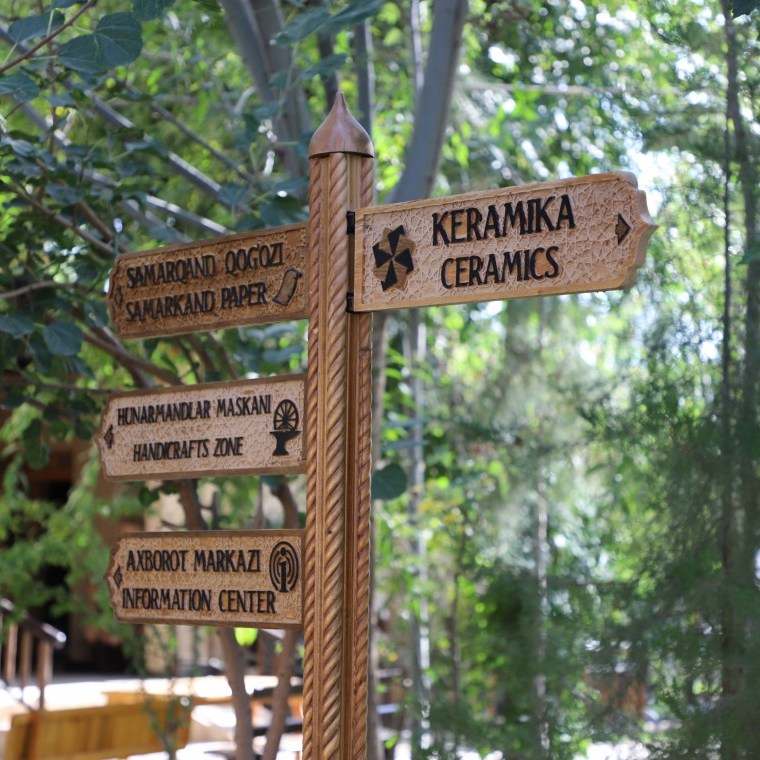
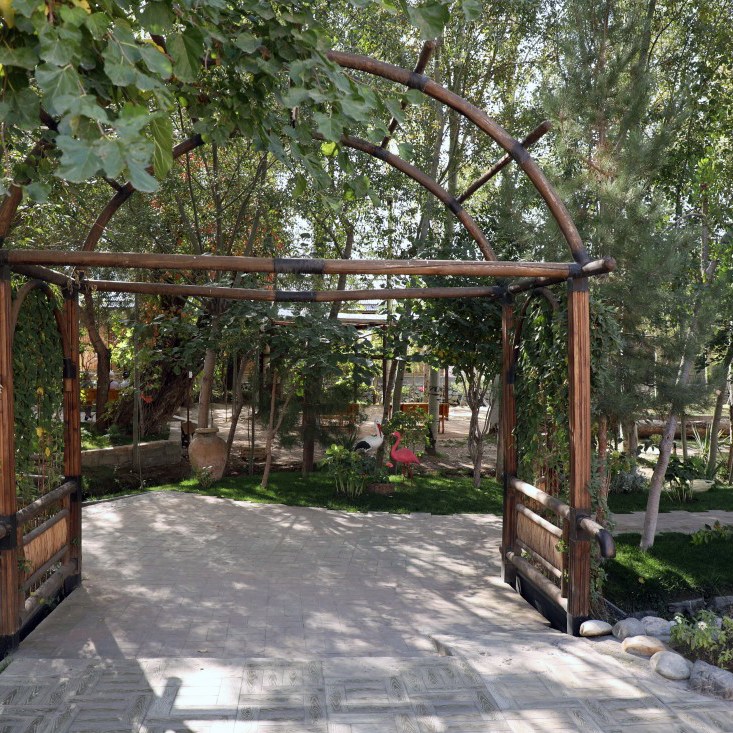
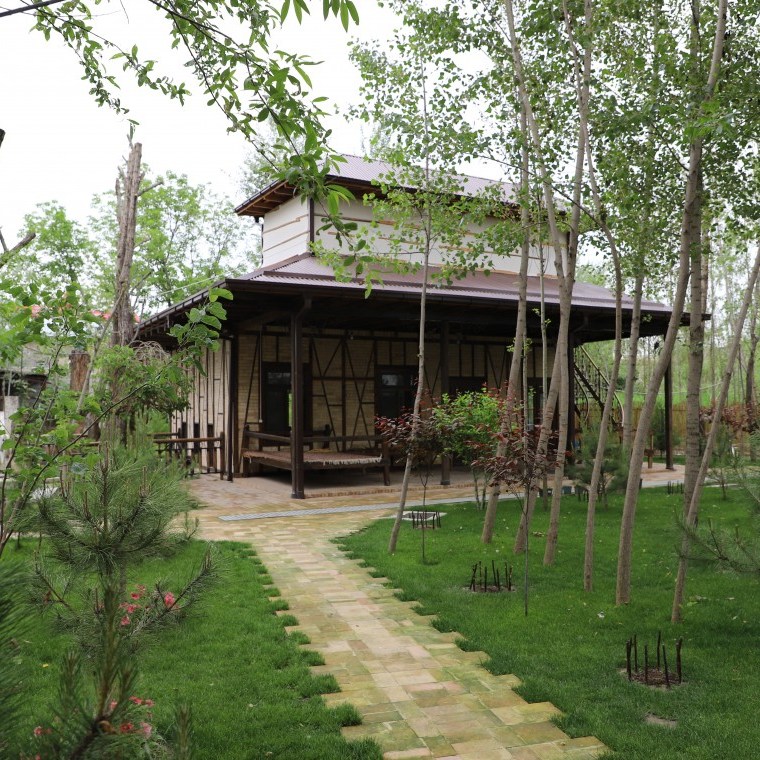
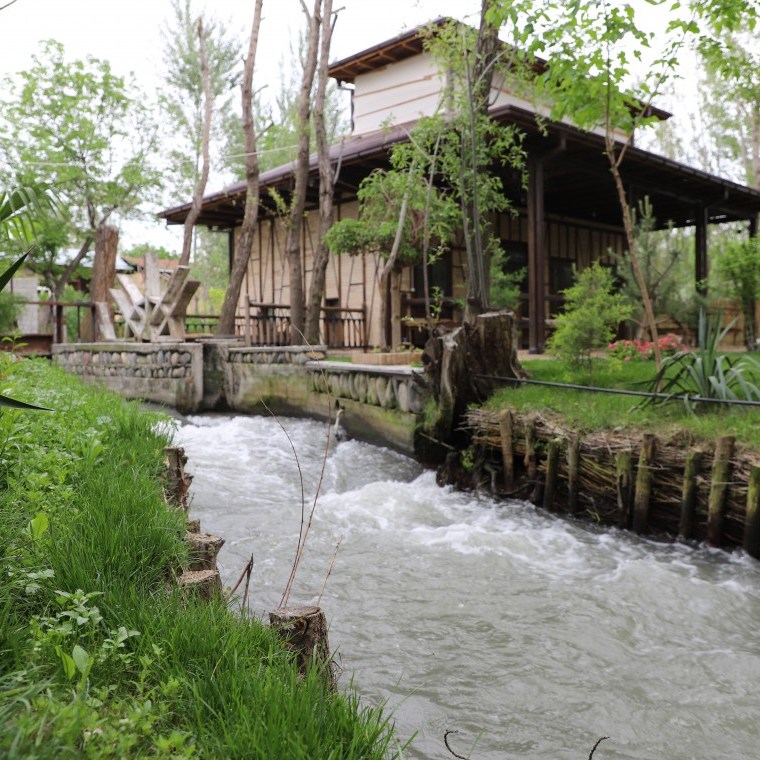
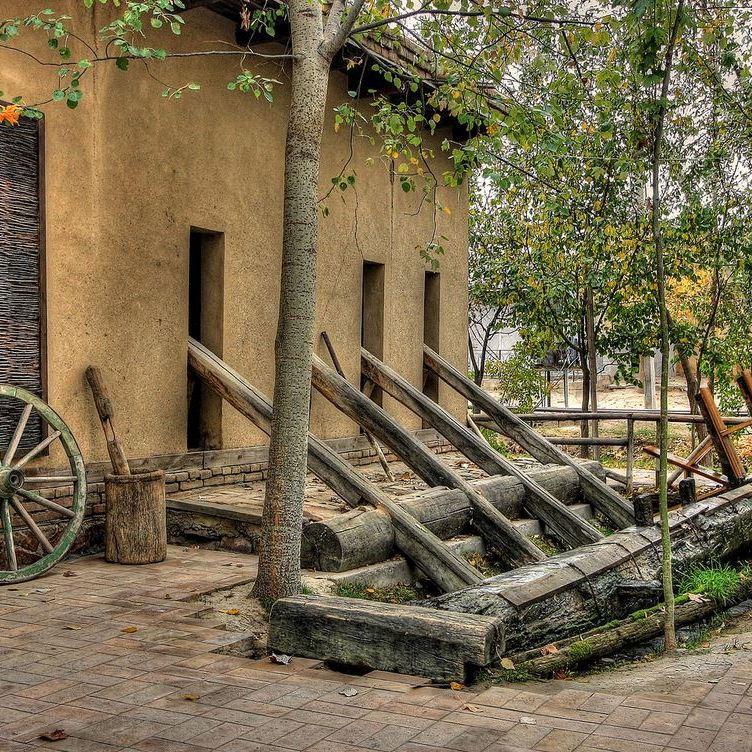


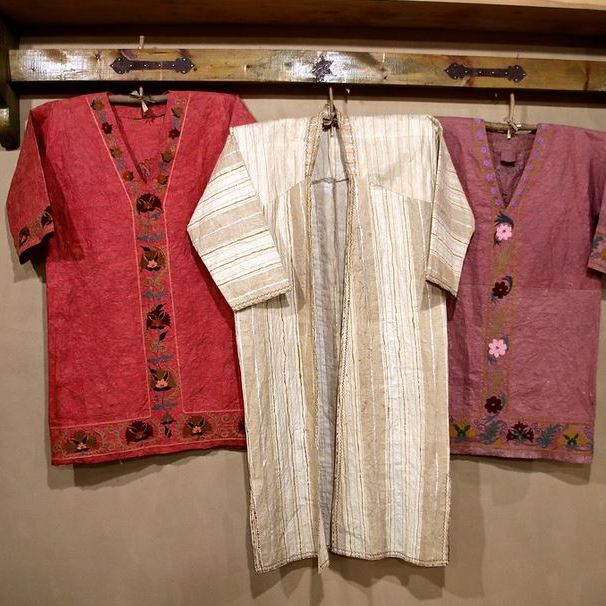
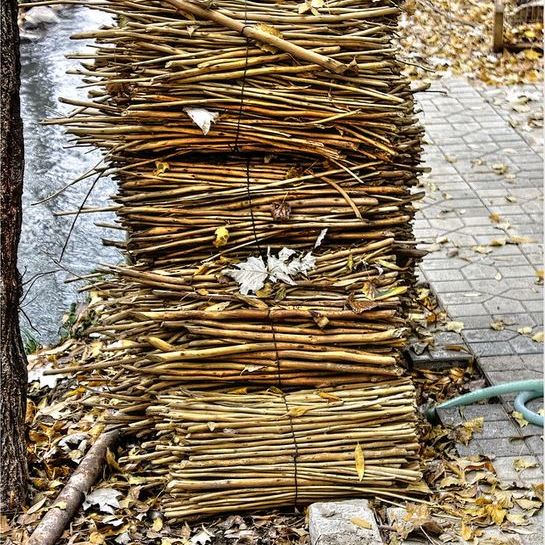

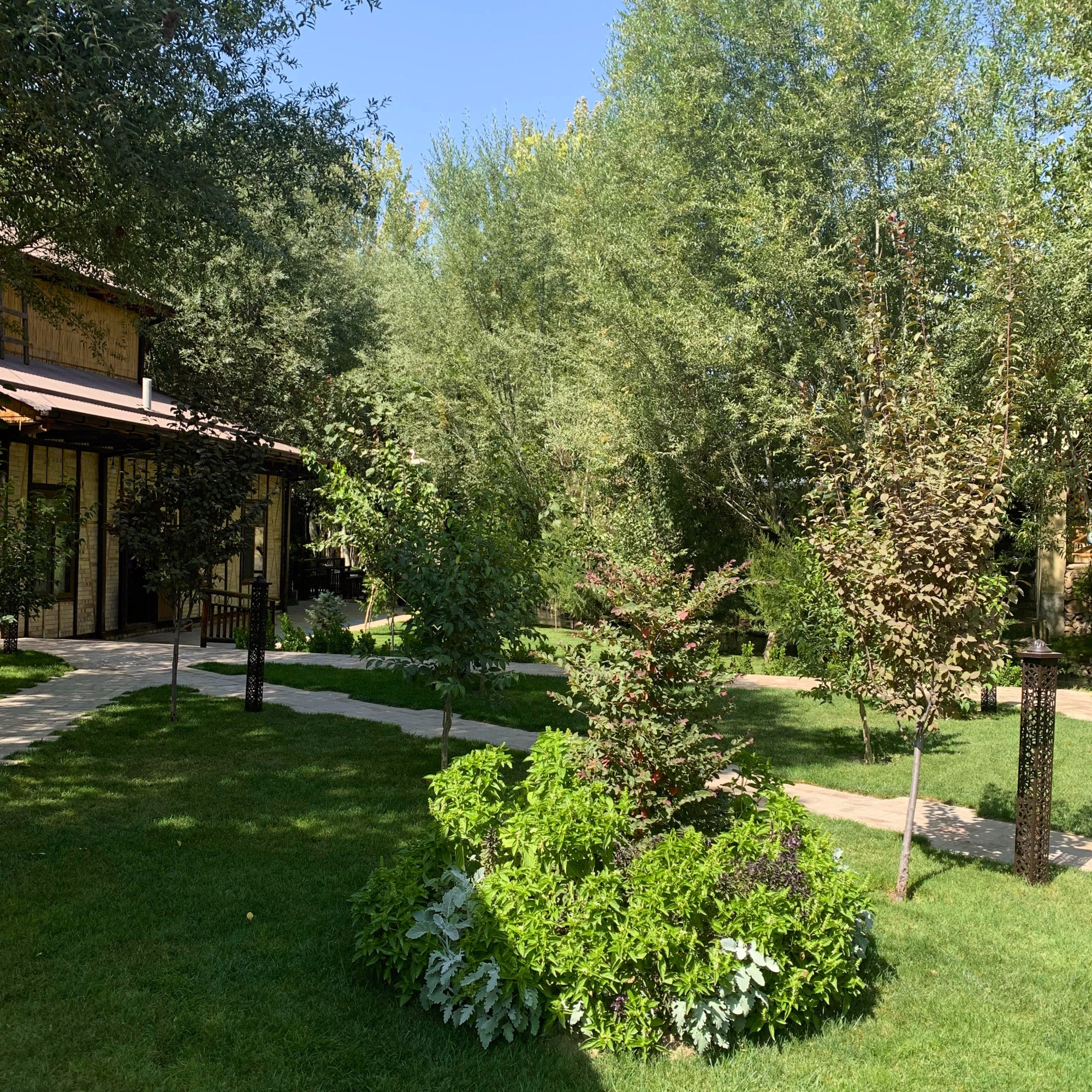
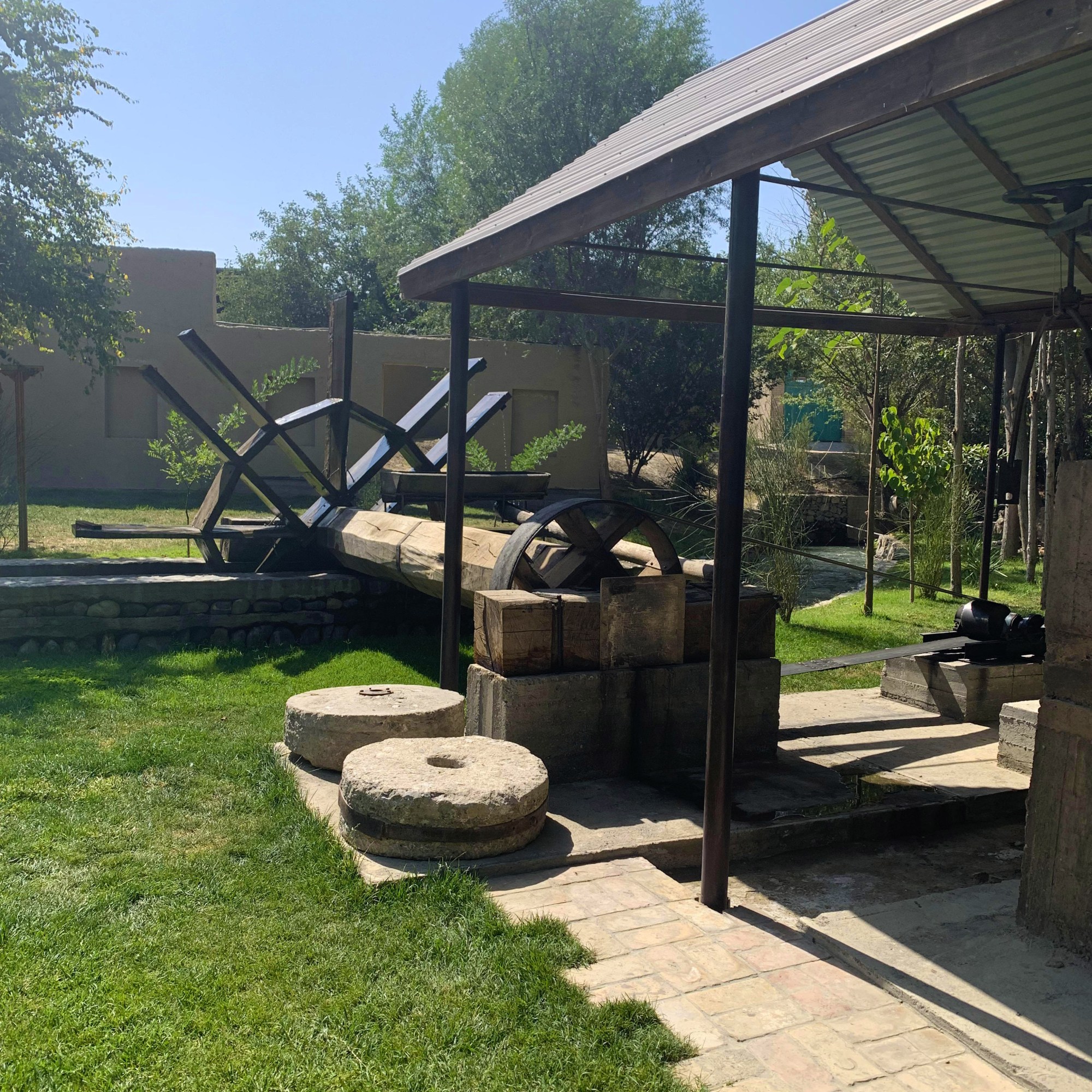

In the Middle Ages, Samarkand was famous not only for its monuments and markets along the Silk Road, but also for its paper. The production mechanisms here, as in the past, are driven by a waterwheel using the waters of the Siab River. Here, like many centuries ago, you can see with your own eyes the whole process of making the famous Samarkand paper that uses the old technology that has been kept over the centuries. Note that Samarkand paper has a yellowish-gray color. It is not bleached with chemicals, so its shelf life is dozens of times longer than that of regular white paper. For example, if a good quality ordinary white paper lasts 40-50 years, the longevity of Samarkand paper is well 300-400 years. Today, Samarkand paper made in Konighil village is widely used in restorations of ancient manuscripts, restoration works in Uzbekistan and other countries of the world. In addition, thanks to the restoration of production, Uzbek artists can reproduce authentically old miniatures…
 Voyage Wonder