
Shakhrisabz – is one of the oldest cities in Uzbekistan. The road from Samarkand to Shakhrisabz (about 90 km) is full of charm. The highway crosses the pass of the high mountain Takhtakaracha in the Zarafshan range. Marco Polo, a famous Italian traveler, traveled this path in the 13th century. The old Shakhrisabz, called « Kesh » in the Middle Ages, also known as « Naütaka », today is a traditional center of folk arts known for its embroidery, highly appreciated in many international exhibitions.
Shakhrisabz is the birthplace of Amir Temur (Tamerlane). He was born in 1336, 12 km from the city in a village of Khodja-Ilgar. Here Temur spent his childhood and youth. From the beginning of his reign, he gathered in Shakhrisabz many skilled craftsmen, whose hands erected and continued to build palaces, mosques and mausoleums. By order of Temur, in the XIV century, around Shakhrisabz appeared walls, a fortress, and this city became not only a trade and craft center, but also a city of science and culture. Today you can visit some historic architectural monuments from the Timurid period, including the remains of his palace (the gigantic entrance gate) Ak Sarai, the Dorussiadat complex with Jahanghir’s mausoleum, the crypt of Tamerlane, the Dorut Tilavat and the Kok Gumbaz Mosque.
Sights and attractions of Shakhrisabz

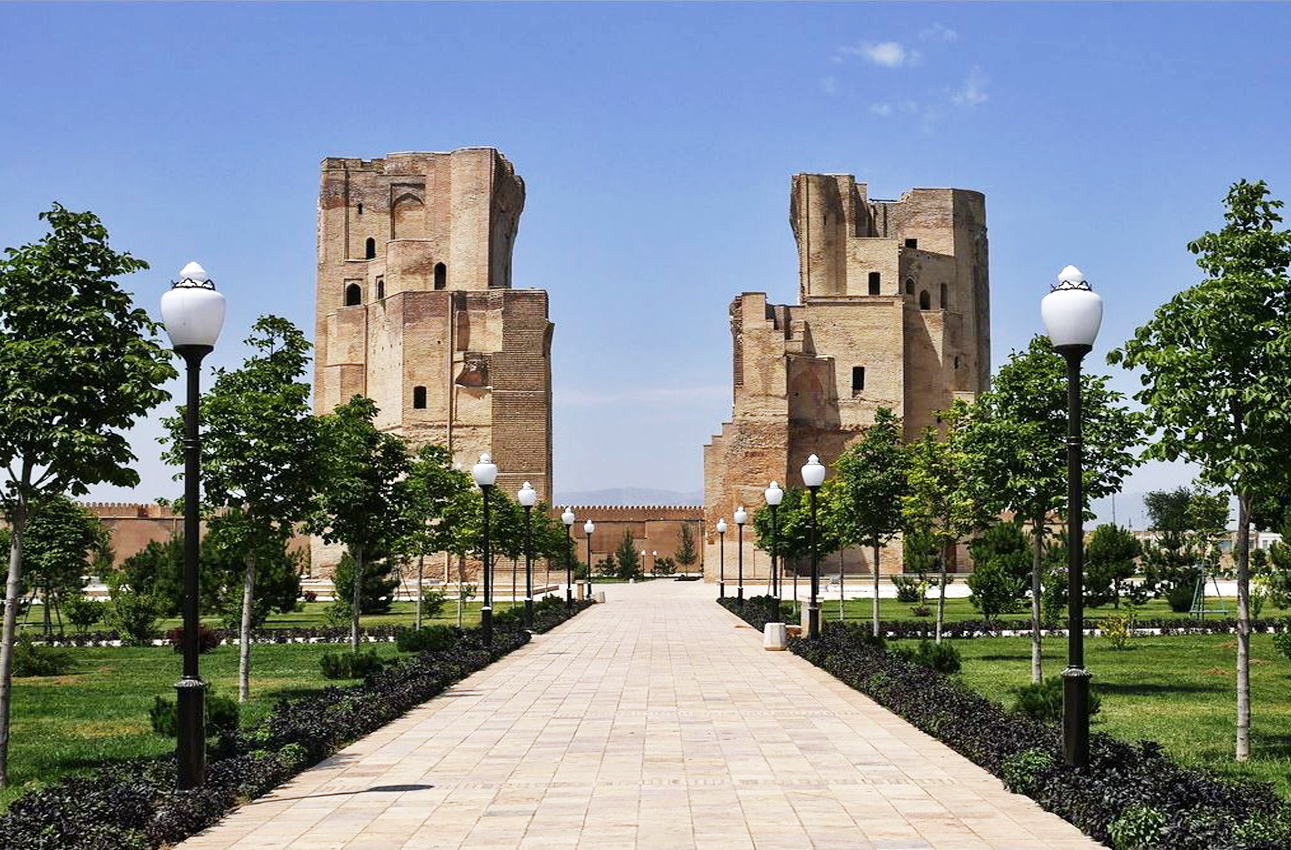

Ak-Sarai (XIV-XV c.) is the greatest architectural monument of Shakhrisabz, located in the part of the center of the city where the statue of Tamerlane stands. The current height of the entrance is 40 meters. The portal is completely covered with ceramic tile decorations. Ak-Sarai translates as « White Palace ». The word “Ak” is used here in a figurative sense and means “noble”. If you see this palace just once, it will strike you with its grandeur and magnificence. Today, only 2 pestles remain from the entrance gate.

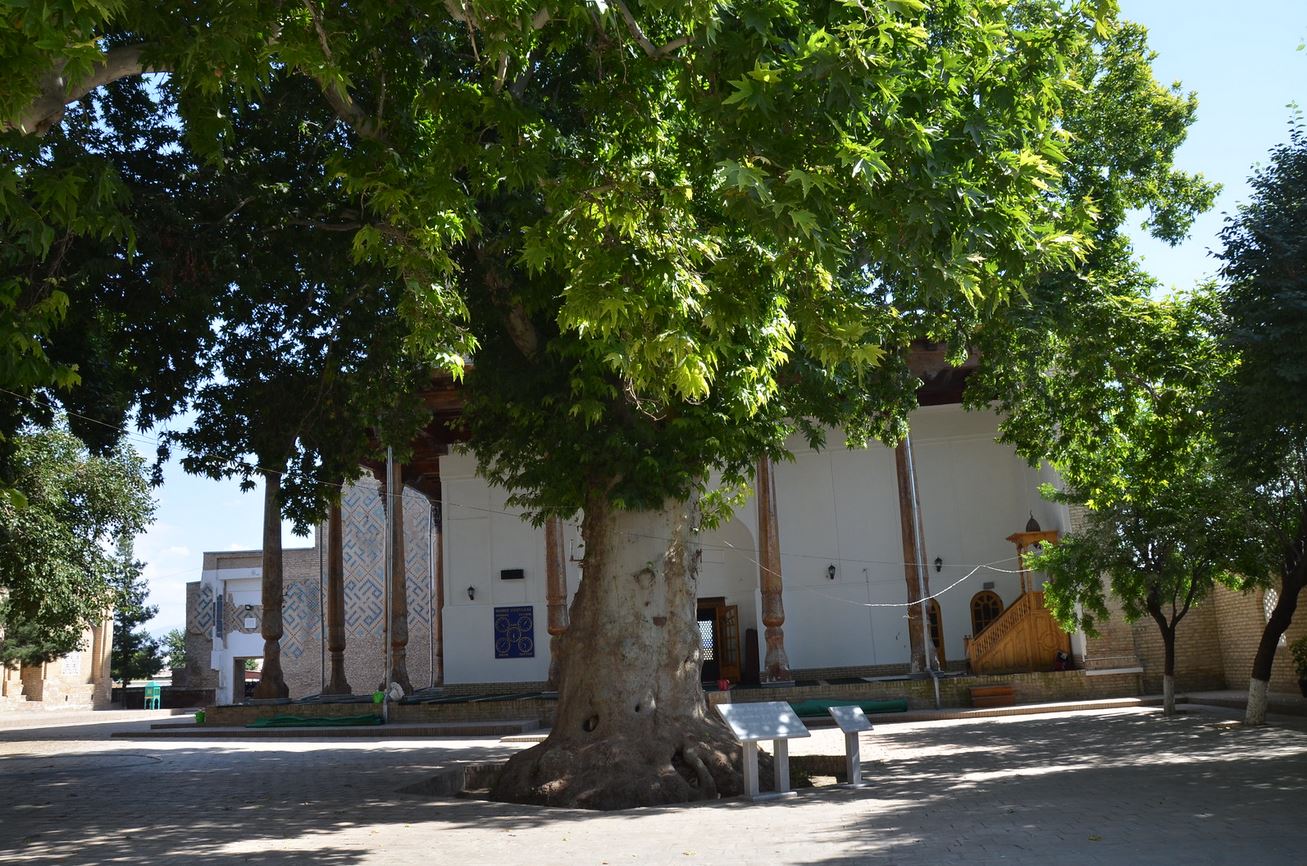
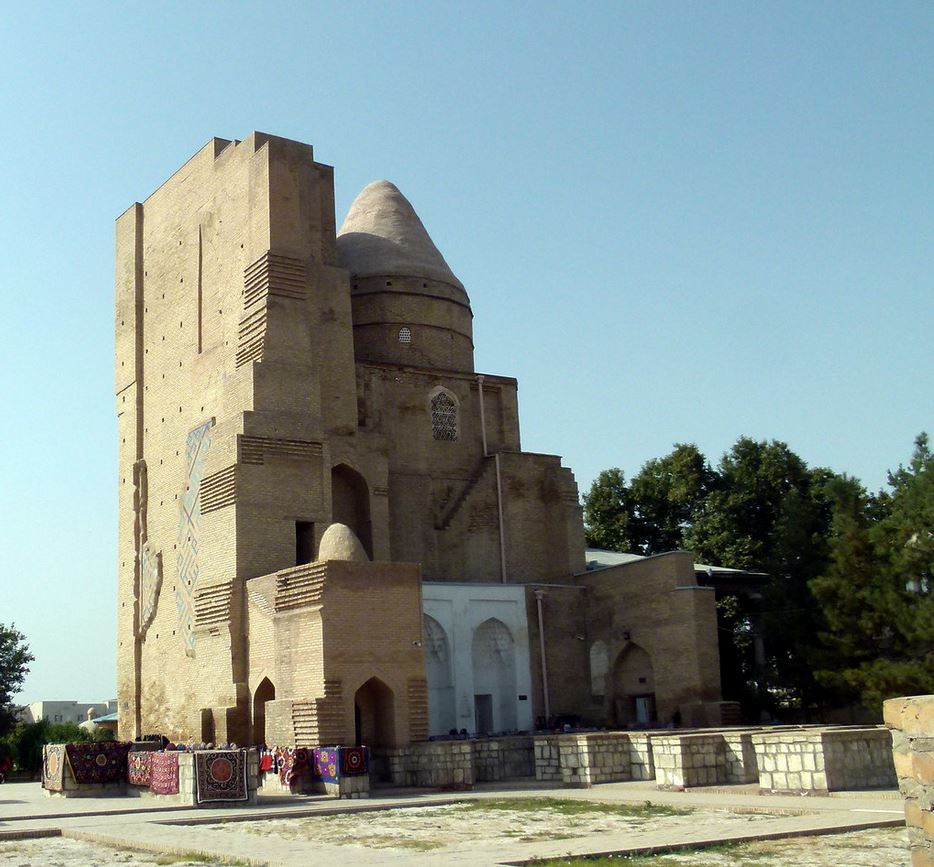
The Dorussiadat complex (literally « the hearth of power and power ») lived up to Tamerlane’s grand plans. He had it built in 1376 following the sudden death of his eldest and favorite son, Jahanghir, who died during his military campaigns at the age of 22. After death, his body was transferred from Samarkand to Shakhrisabz, the historical homeland of Temur’s ancestors. A few years later, Temour invited the best architects of Khorezme and he ordered them to build the mausoleum of Jahanghir above the tomb of the prince.
Temur’s younger son, Omar Sheykh, who was killed in 1393-1394, at the age of 29, during the capture of the fortress from the Kurds in Iran, was buried in this Dorussiadat complex. Temur also ordered to build a burial place for him – the mausoleum of Omar Sheykh. But until today it is only the crypt of Amir Temur which has been preserved, but it remains empty, because Amir Temur is buried in Gur Emir of Samarkand. In the middle of the 19th century a Khazrati Imam mosque was erected in the side part of the Jahanghir mausoleum.


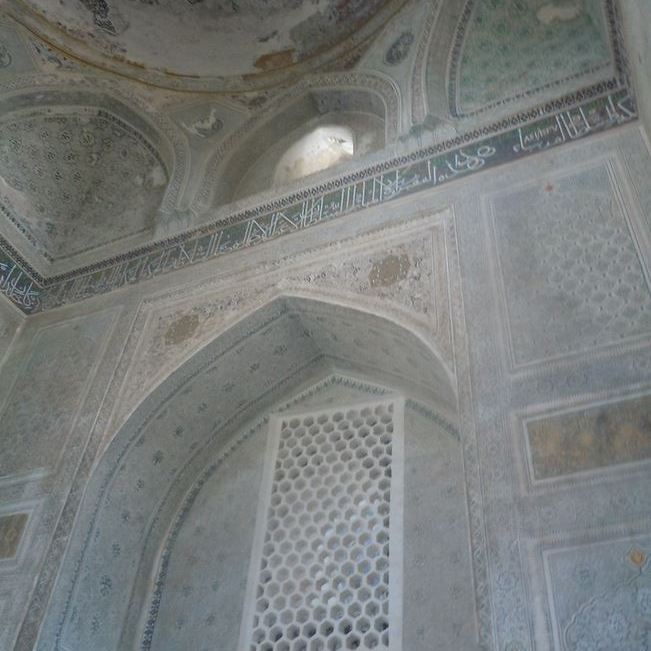
The foundation of the Dorut Tilavat memorial (« the house of reflection, contemplation ») was associated with the name of Judge Shamsiddin Kulal. Coming from a family of potters, Kulal became close to Temur’s father, Emir Taragai, and served as his mentor. His mausoleum was the first building to be built in this complex. The Sheikh died in 1370, and his tomb was shrouded in great reverence and worship. In the southern part, a mausoleum probably of the descendants of Ulugh Bek, was added later, which bore the name Gumbazi Seyidan (the dome of the Seyides). This small building captivates with the elegance of the proportions and the beautifully executed entrance, covered with deep carvings with floral and epigraphic ornaments. The Dorut Tilavat complex included tombs, a mosque and a madrassah, and was completed during the reign of Temur’s grandson, the famous astronomer Ulugh Bek.
 Voyage Wonder