
Tashkent is the largest city and the capital of Uzbekistan, (with more than 2.5 million inhabitants). It is both the largest city in Central Asia and its main road axis. Currently, Tashkent is one of the most important business centers in Central Asia. Tashkent sits right on the border with Kazakhstan and is also known as the main « gateway to the Orient » on international air routes from India, Afghanistan, Pakistan and China to Europe. The Tashkent Metro, currently the only metro in Central Asia, is fantastically designed in a unique and monumental Uzbek-Soviet style. It’s never too crowded and it’s the easiest and cheapest way to get around the city quickly. Tashkent is simply full of interesting museums, historical sites, lush and varied parks…
Sights and attractions of Tashkent
Tashkent Museum of Applied Arts
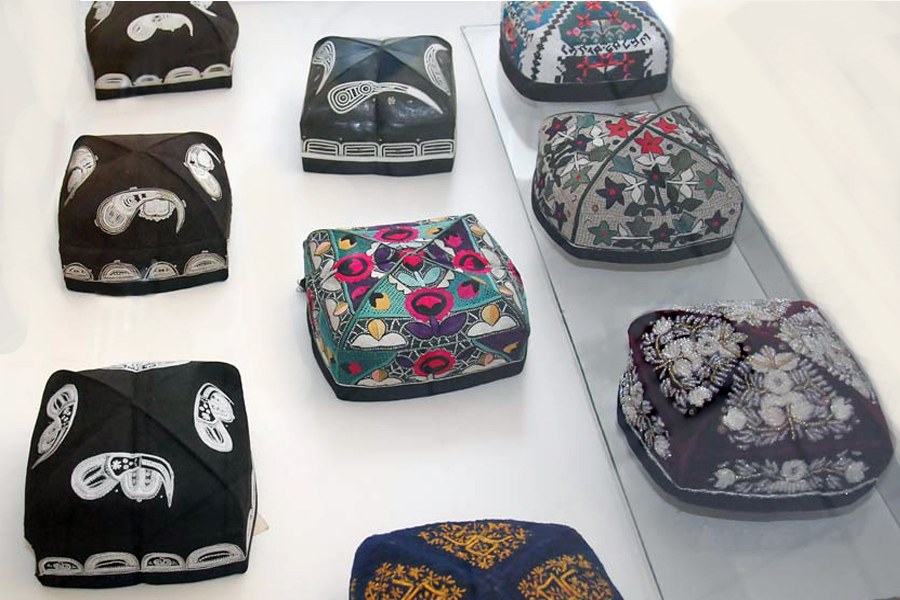


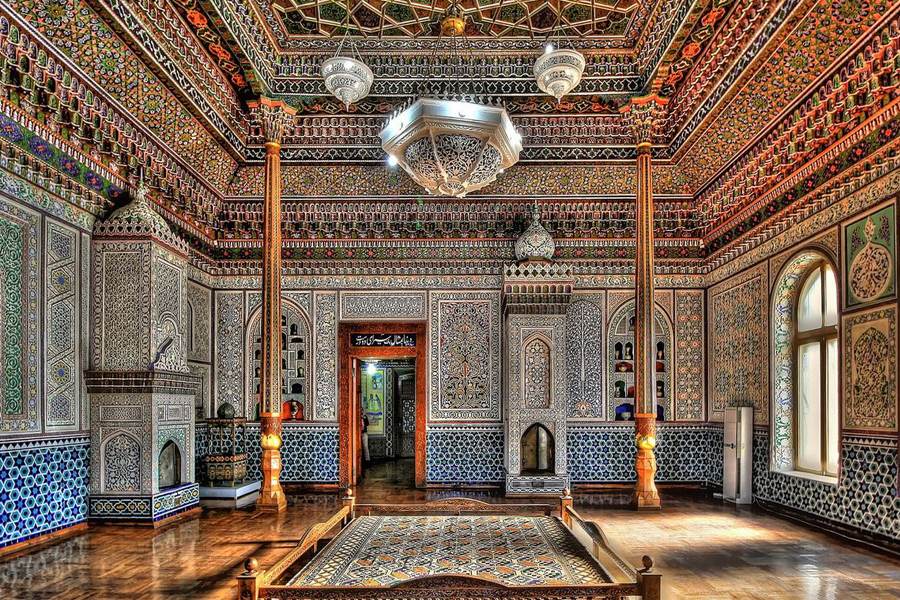
The inauguration of the Museum of Applied Arts in Tashkent dates back to 1927 when the very first exhibition of the works of the masters of Uzbekistan was organized there. The museum keeps more than 7000 objects of applied art of the peoples of the country: hand embroidery, tubeteyka (national skullcap), jewellery, carpets and other articles of the manual trade from the beginning of the 19th century to the present day.
Khasti Imam Square
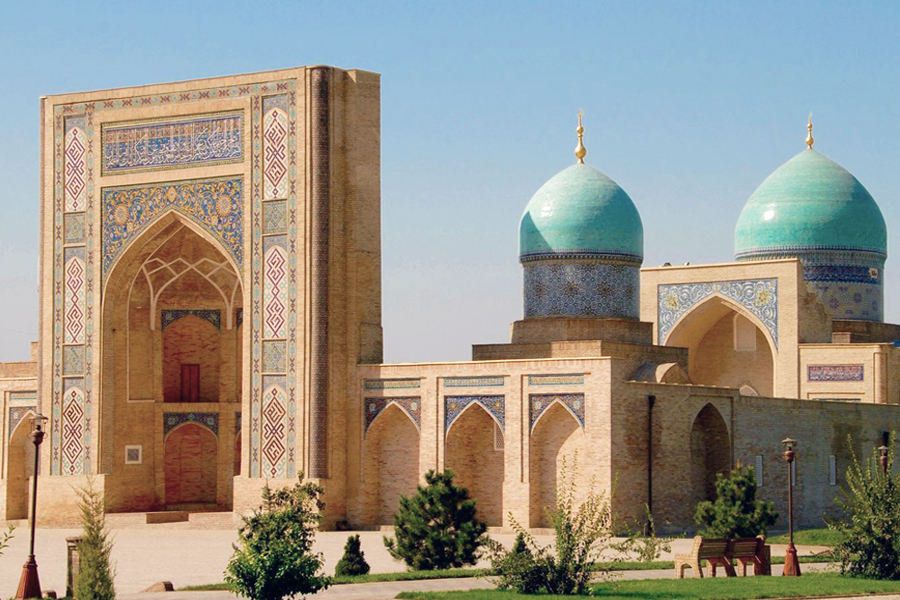

Located in the traditional district of Tashkent, Khasti Imam Square is considered the religious center of Tashkent. The square is composed of the Barak Khan Madrassah built in the 16th century (the administrative center of the Mufti of Uzbekistan), mausoleum of the saint Abu Bakr Kaffal Chachi, Islamic Institute bearing the name of Imam Al Bukhari and the Tilla Sheikh mosque.
The Tilla Sheikh Mosque houses a fine library, rich with oriental manuscripts, including the Quran of Khalif Osman from the 7th century, This manuscript is the oldest extant written version of the Quran, having 353 pages in gazelle skin which has been well spared in the treasuries of the khalifs of Arabia (in Medina, Damascus and Baghdad). Tamerlane – the great conqueror, brought him back from his conquest of Iraq. Under Tsarist Russia, the Quran was shipped and deposited in the Imperial Public Library in St. Petersburg. After the Revolution of 1917, the Kazan Muslims sent him to the city of Ufa. And after the independence of Uzbekistan he was finally repatriated to Tashkent.
The Koukeldach Madrassah

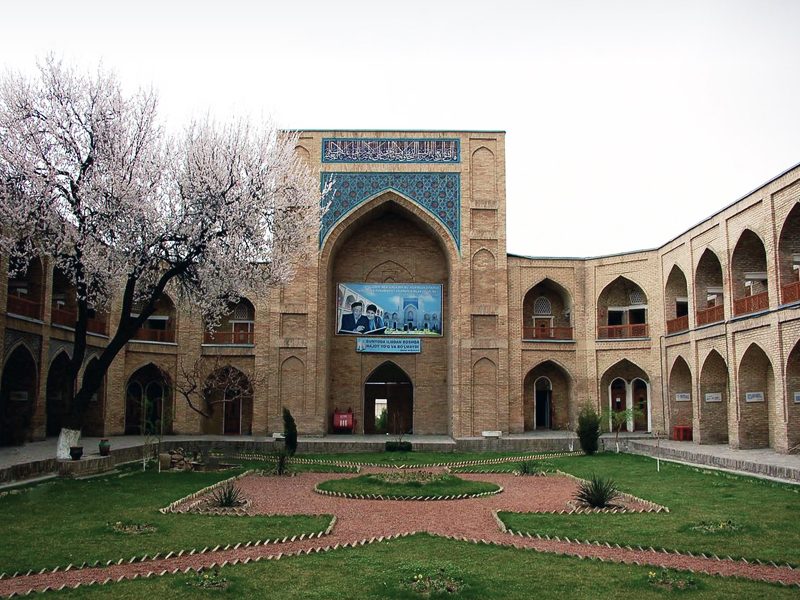
The Kukeldash Madrassah – is one of the few remaining monumental architectural monuments in Tashkent. The madrassah was built in the 16th century (in 1568-1569) by the vizier (minister) Barak Khan and Dervish Khan, representatives of the Shaïbanid dynasty, and took the name « Koukeldach », which means « brother of milk which is actually « heartfelt friend ». This is how the trusted dignitaries of the Uzbek khans were named.
Tashkent subway

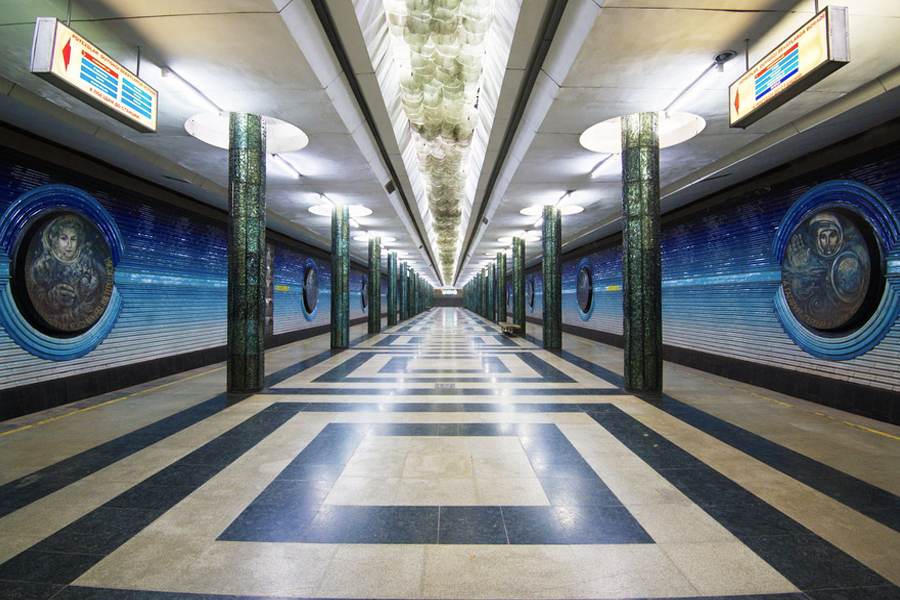
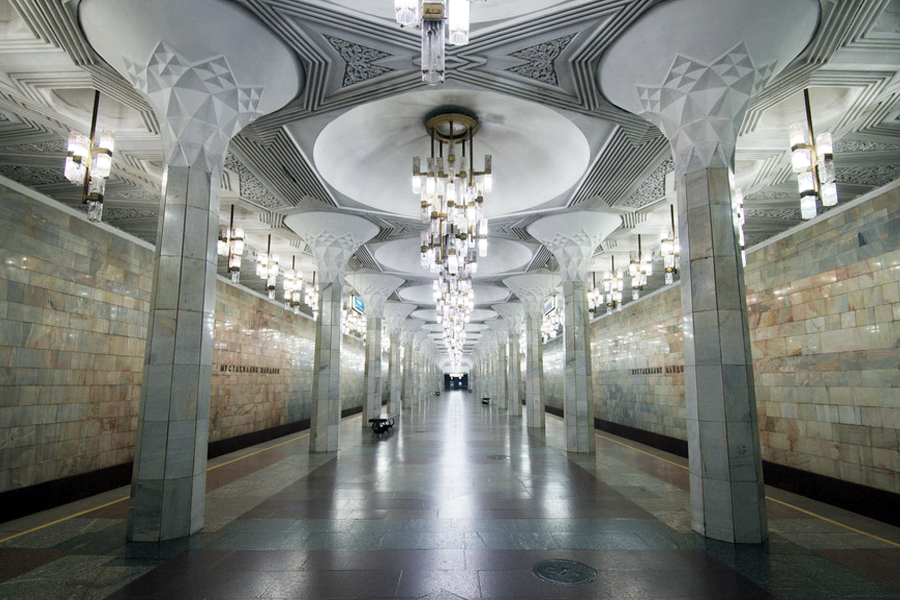
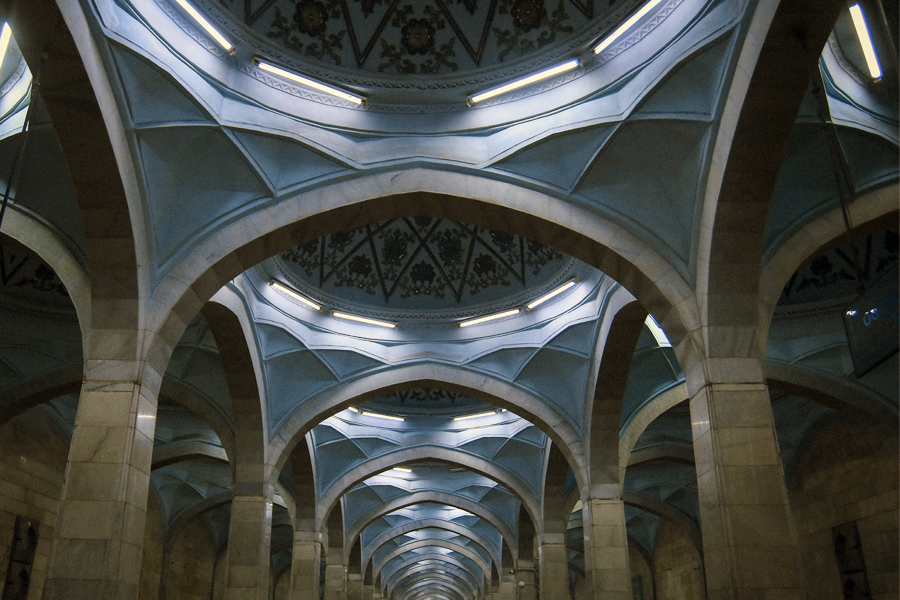
The Tashkent subway is, by the way, one of the sights, which requires special attention, because it is above all, the one and only metro in all of Central Asia and each station is different from the other. Metro construction began after the earthquake of 1966. Population growth in the capital also led to the construction of a fast and comfortable public transport system. The first metro line opened in 1977 in honor of the 60th anniversary of the USSR and it connected the most populated district of Chilanzar with the center of the city. It is worth taking the metro and taking a tour of the most splendid stations, such as Moustakillik Square, Cosmonauts, Alisher Navoi and Abdulla Qodiriy stations.
The Chorsu bazaar (market)

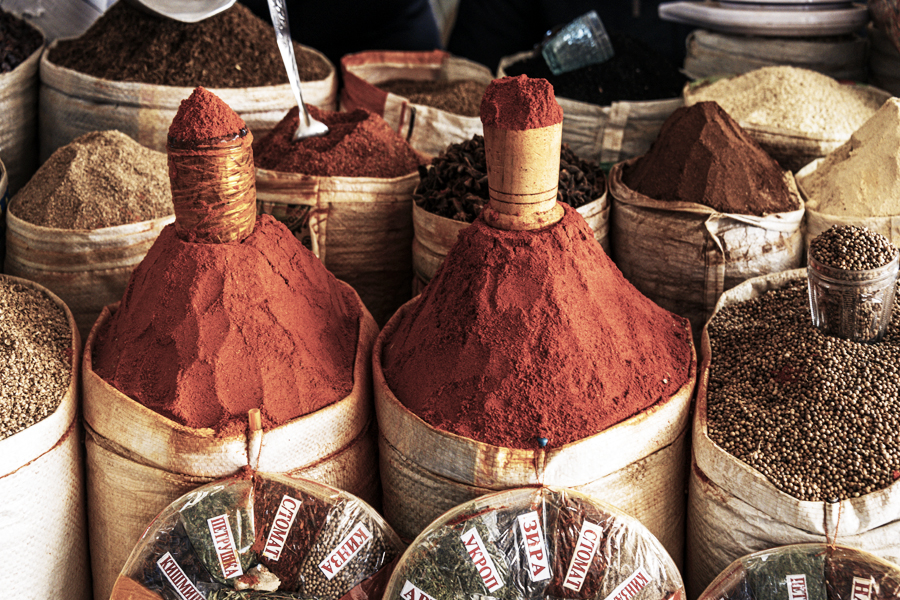

The Chorsu Bazaar is one of the largest bazaars in Uzbekistan. Under seven huge domes covered with glazed bricks are pavilions in which merchants and farmers sell their products. The fruit and vegetable sections intoxicate visitors with an abundance and variety of products. The rows are full of juicy red apples and pears, peaches, plums, large quinces and clusters of sweet black, pink and amber grapes. Yellow figs are neatly covered with green leaves. In large baskets, pomegranates are stacked with ruby red. Mountains of giant watermelons and melons, fragrant fruits and vegetables. In these pavilions, customers are enveloped in a cloud of spicy aromas. There are saffron and cinnamon, red and black pepper, cloves, nutmeg, cardamom, cumin and anise, which are used for real Uzbek cuisine.
Moustakillik Square (Independence Square)


Independence Square (Mustaqilliq Maïdoni) is the country’s main square with the administrative offices of the Cabinet of Ministers and the Senate. In general, it looks more like a large park than a square and is full of monuments and fountains. Surrounded by impressive public buildings and filled with trees and flowerbeds, Independence Square in Tashkent is a showcase of modern Uzbekistan. The entrance to the square is framed by the Arch of Independence with the sculptural images of storks on top. In the center of the square on the granite pedestal is placed the symbol of independence – the bronze ball, symbolizing the globe with a symbolic image of the Republic of Uzbekistan on it. At the foot of the obelisk is the monument of the Happy Mother – the figure of a young woman with a baby in her arms. On the north side of the square is a park with the Alley of Fame and Memory.
Navoi Opera and Ballet Theater


Theater Square with its shady avenues of chestnut trees, well-groomed flowerbeds and cool fountains has long been one of the most popular places for rest and relaxation for residents of Tashkent. In the center of the square is the building of the Navoi Opera and Ballet Theatre. Its appearance is elegantly aligned with the design philosophy of classical theater and the traditions of Eastern architecture. Huge, slightly pointed arches at the main entrance are reminiscent of the shaded aywan terraces of madrassah schools in Asia. The elaborate design of the building, the combination of light and shade in the loggias through the deeply vaulted cover, the decorative carvings on polished Gazgan marble – all this gives you the unforgettable impression of a monumental building. So it is not without reason that the image of the theater is sometimes used as a « visiting card » of Tashkent. The history of the oldest opera theater in Uzbekistan began with the creation of a national ethnic ensemble in 1926. In 1939, the construction of the new theater began. The world-renowned architect, Academician A.V. Schusev was commissioned to design and lead the construction. Construction was in full swing at the start of World War II. Work was then temporarily suspended and resumed in 1945, with the support of Japanese prisoners of war who served as labor. In 1947, the new building of the National Academic Bolshoi Theater of Navoi opened its doors to the public.
The Tashkent TV Tower
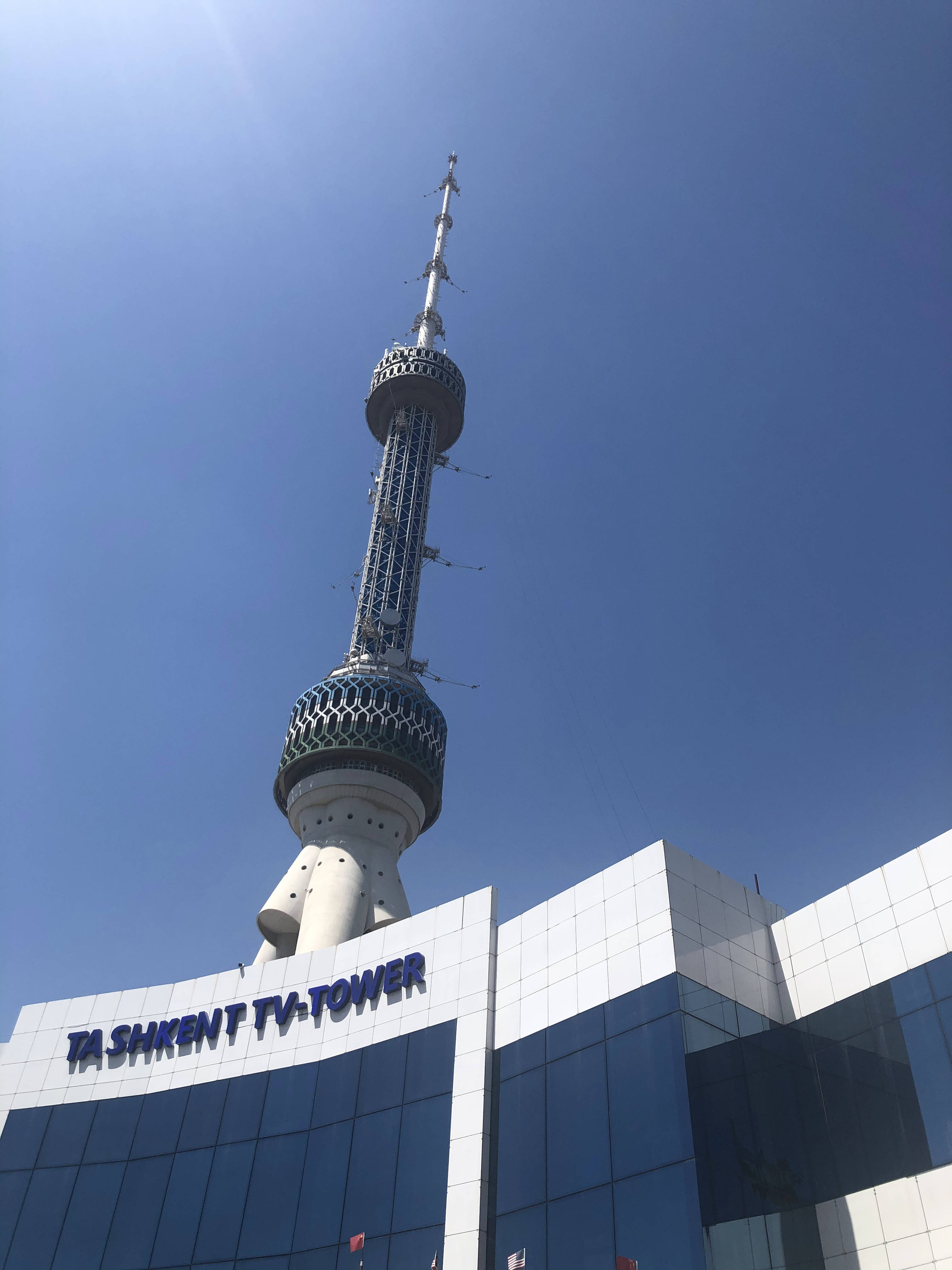
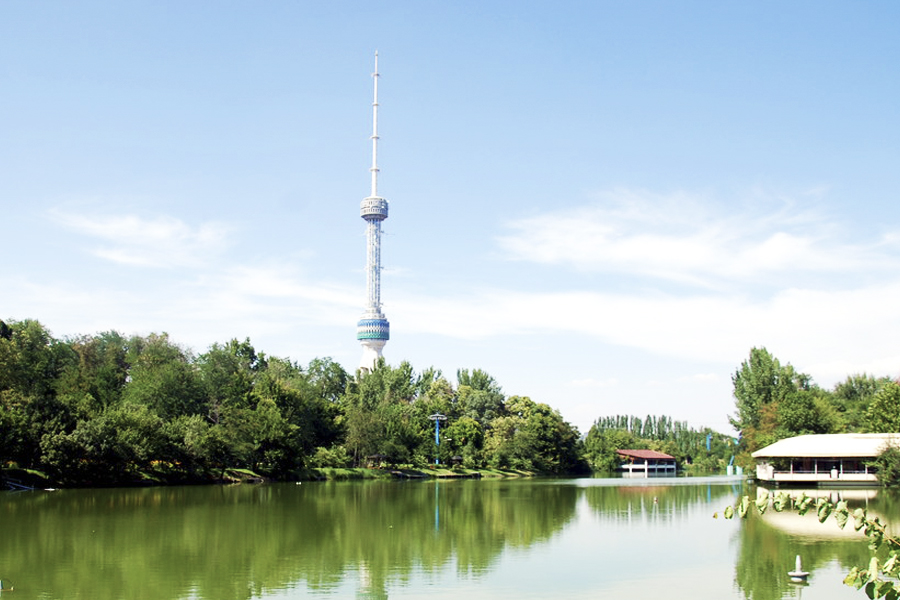
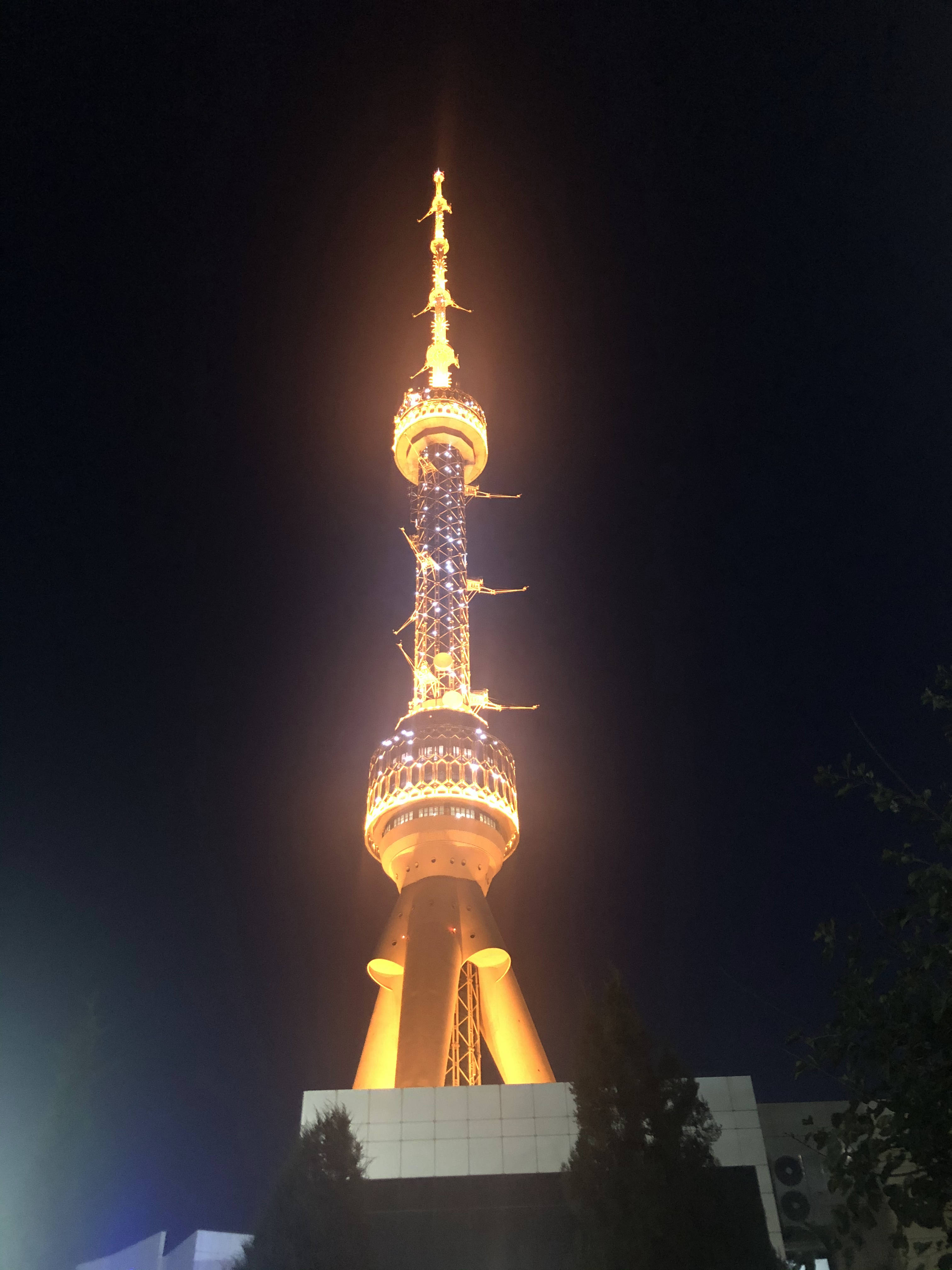
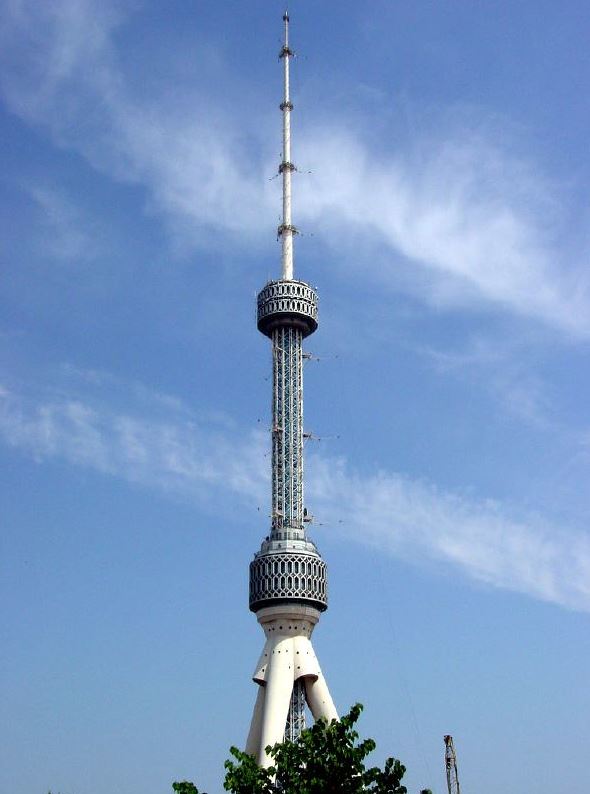
The Tashkent TV Tower is the tallest building in Central Asia. Its height is more than 375 meters. The construction of the TV tower was started in 1979 and finished in 1981. The unique project of the tower was made by architects Semashko, Terziev-Tsarukov and engineers Morozov and Moucheev. The TV tower was built in such a way that its structure would be able to withstand a 9-point earthquake on the Richter scale. The lattice frame of the tower ensures the stability of the building and at the same time gives an impression of lightness. 220 meters in height of the tower are used to organize the most modern means of communication: satellite television, cellular communication and paging. The Tashkent TV tower broadcasts 5 television programs and 4 radio programs. It has the highest meteorological station. The tower lobby is decorated with mosaic panels in the Florentine and Roman style, which was created by master A. Buharbaev. There is a restaurant at a height of 105 meters. Each room is planned for 60 places. The platform with seats in the two restaurants rotates on the trunk of the tower. The restaurant offers to taste dishes of national and European cuisine. There is a wide choice of drinks at the bar. At a height of 100 meters there is also an observation deck, where you can enjoy a magnificent view of the city. The tower is equipped with 3 high-speed elevators from the Swiss company “Shindler”. The elevation speed is 4 meters per second. Good place to observe the city from a bird’s eye view.
The Magic City of Tashkent

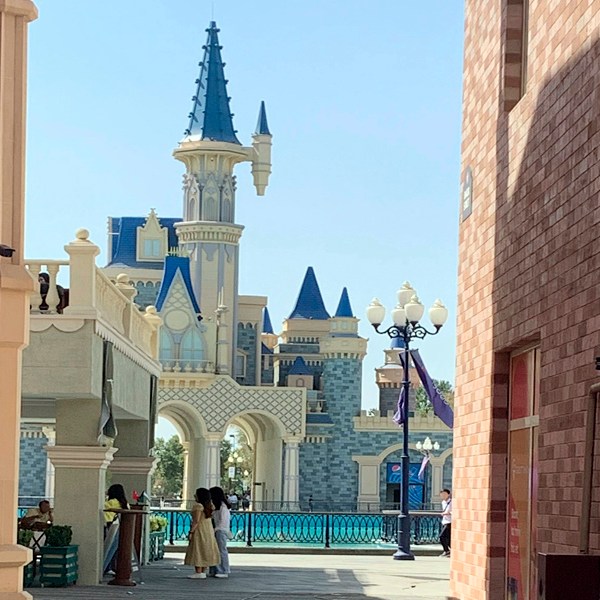
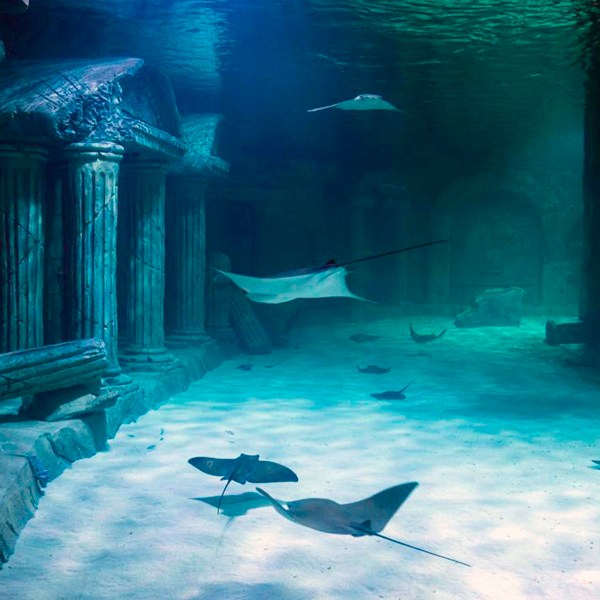


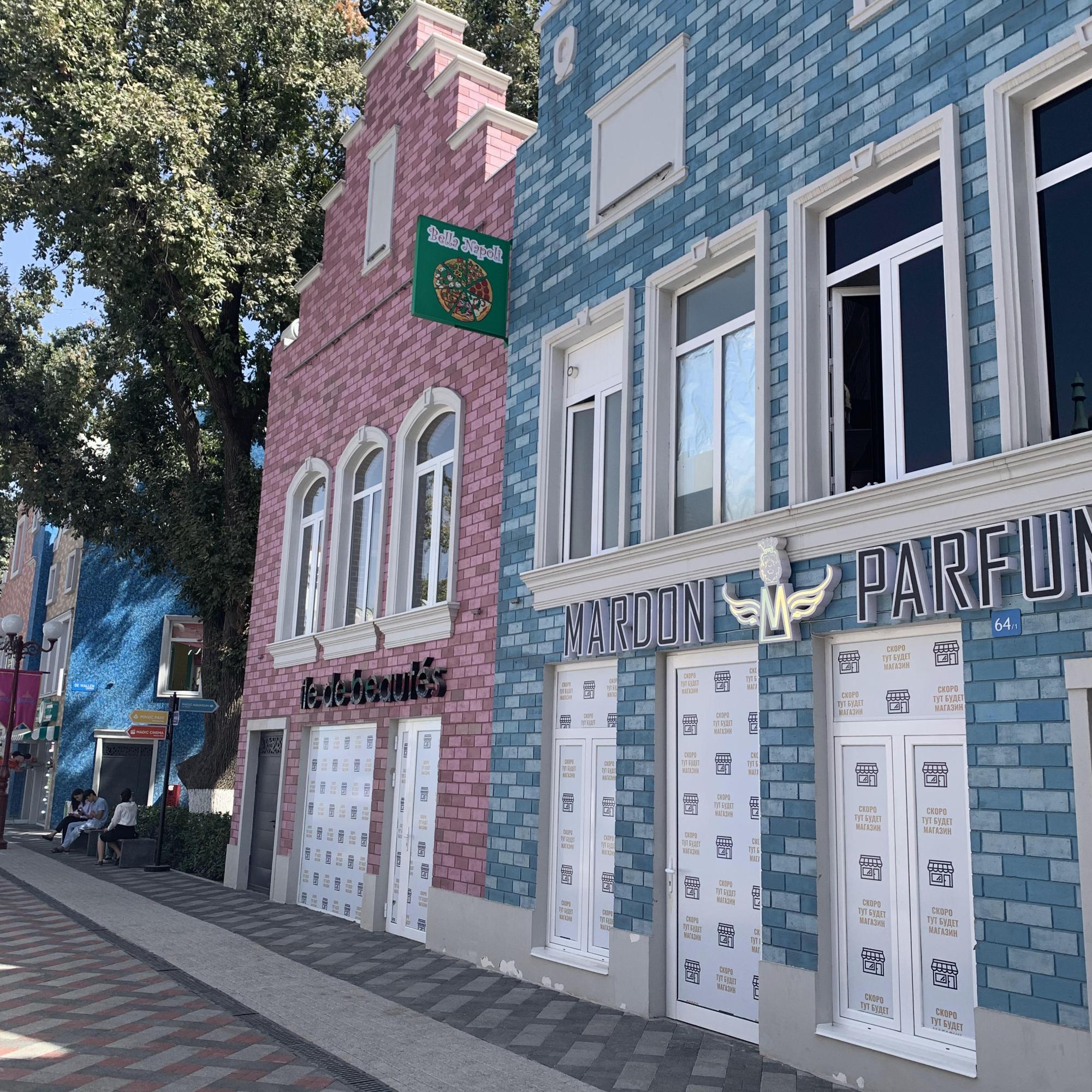


Magic City is a project that has no analogues in Central Asia. Located in the center of Tashkent, it is the largest space of magic and entertainment for the whole family, where neither adults nor children will be bored. The streets of the park are made in the architectural styles of the cities of the world: you can visit Paris, Barcelona, London, Berlin and others without buying a plane ticket! Also on the territory there are many shops, cafes, restaurants for every taste. Particular attention is paid to creating all conditions for people with disabilities, including paths for the blind and ramps for people in wheelchairs. Another advantage is the bus running around the city, which will take you to the park. Golf carts drive around the vast territory of Magic City itself to bring people from the parking lot to the right place in the park.
Tashkent Fine Arts Gallery


In the center of Tashkent, near Independence Square there is a modern building of the Gallery of Fine Arts which opened for visitors in August 2004. However, the history of the gallery began 10 years before of the opening. In 1994 on the initiative of the first president of Uzbekistan Islam Karimov the collection of fine arts collected by the National Bank of Uzbekistan was founded. And when the number of exhibitions increased so much that they could no longer fit into the gallery of the bank, we decided to open a showroom in its own right. Today the Fine Arts Gallery is equipped with everything necessary to comply with the rules for the conservation and exhibition of paintings. The surface of the main exhibition area of the gallery is 3500 m², it includes 15 halls. In addition, there is a conference room, a classroom, a small cinema, a library, as well as a studio for master classes and workshops. The exhibition collection of the Gallery of Fine Arts is based on the paintings of Uzbek painters made during the 20th century. However, it is often that we organize exhibitions of paintings by foreign painters and other cultural measures. All you have to do is visit.
Chimgan and Charvak


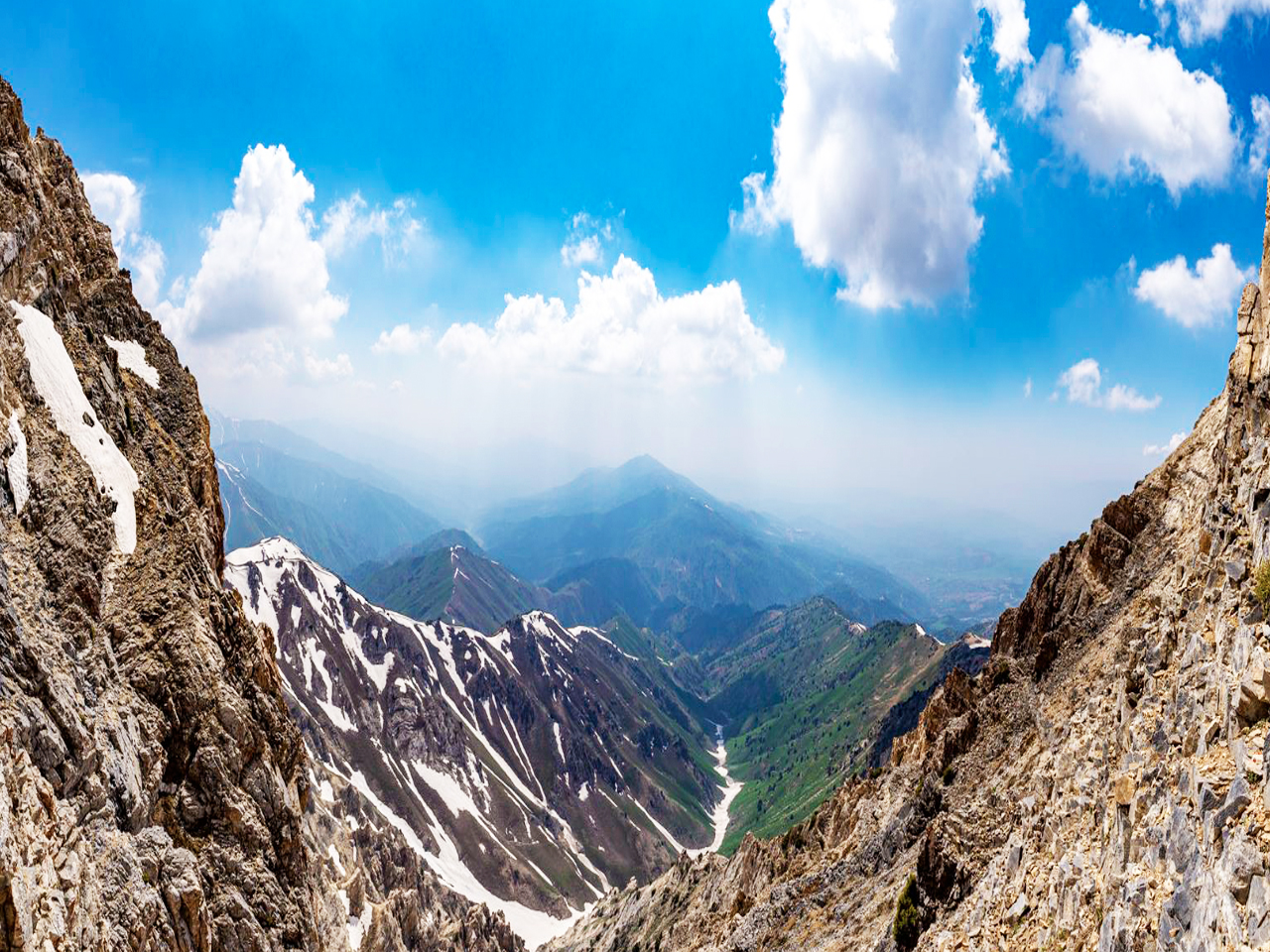
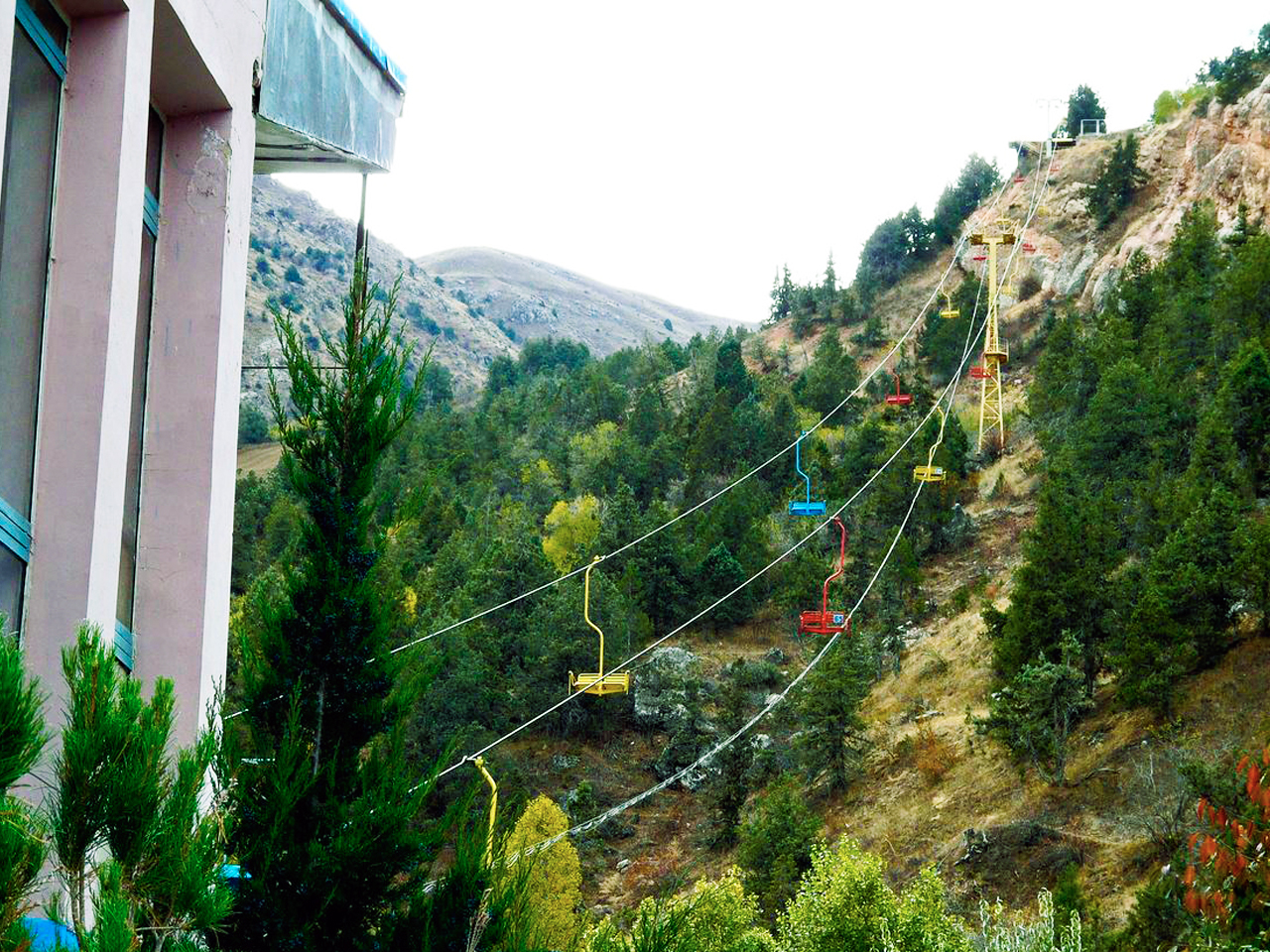

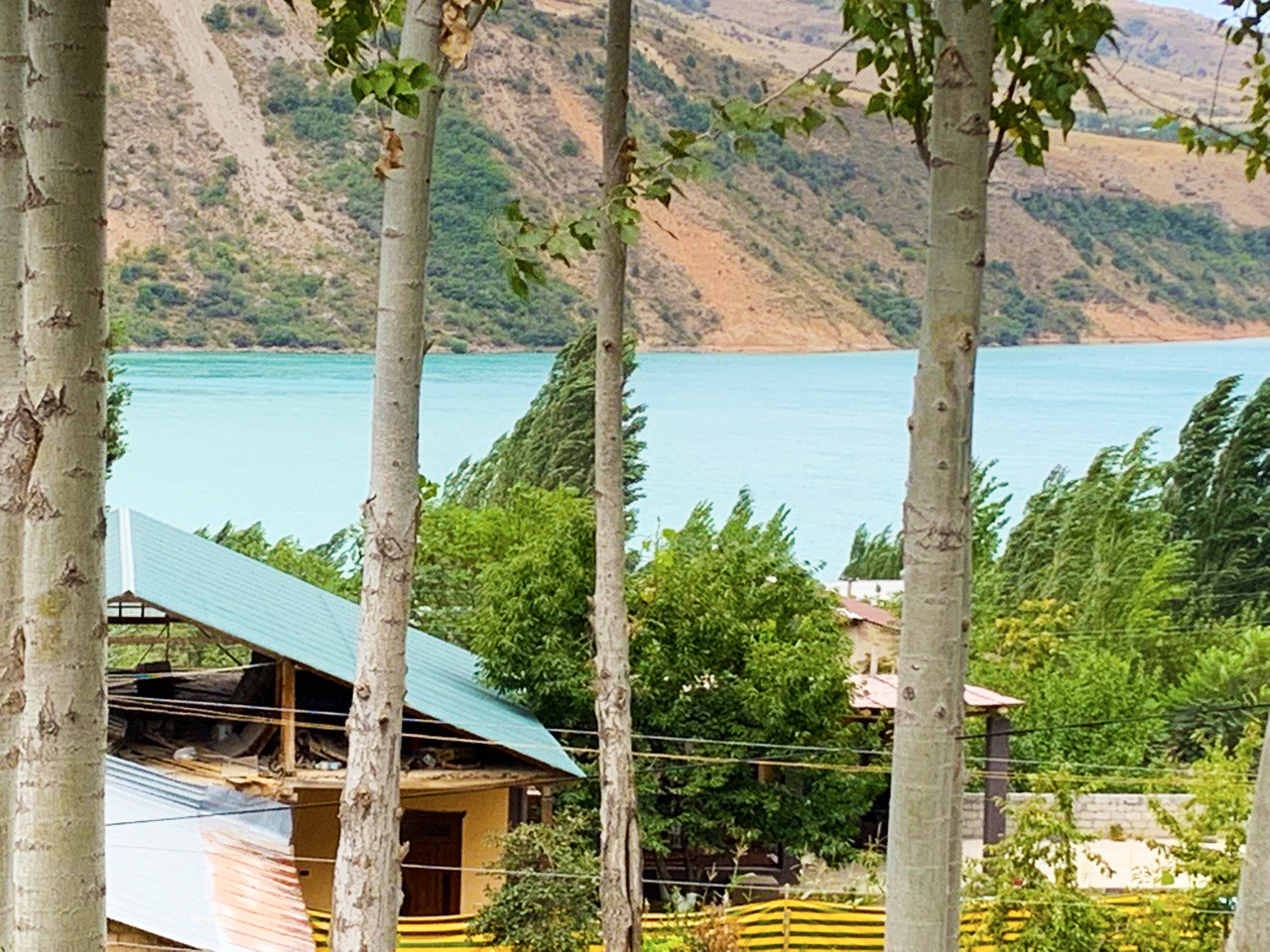

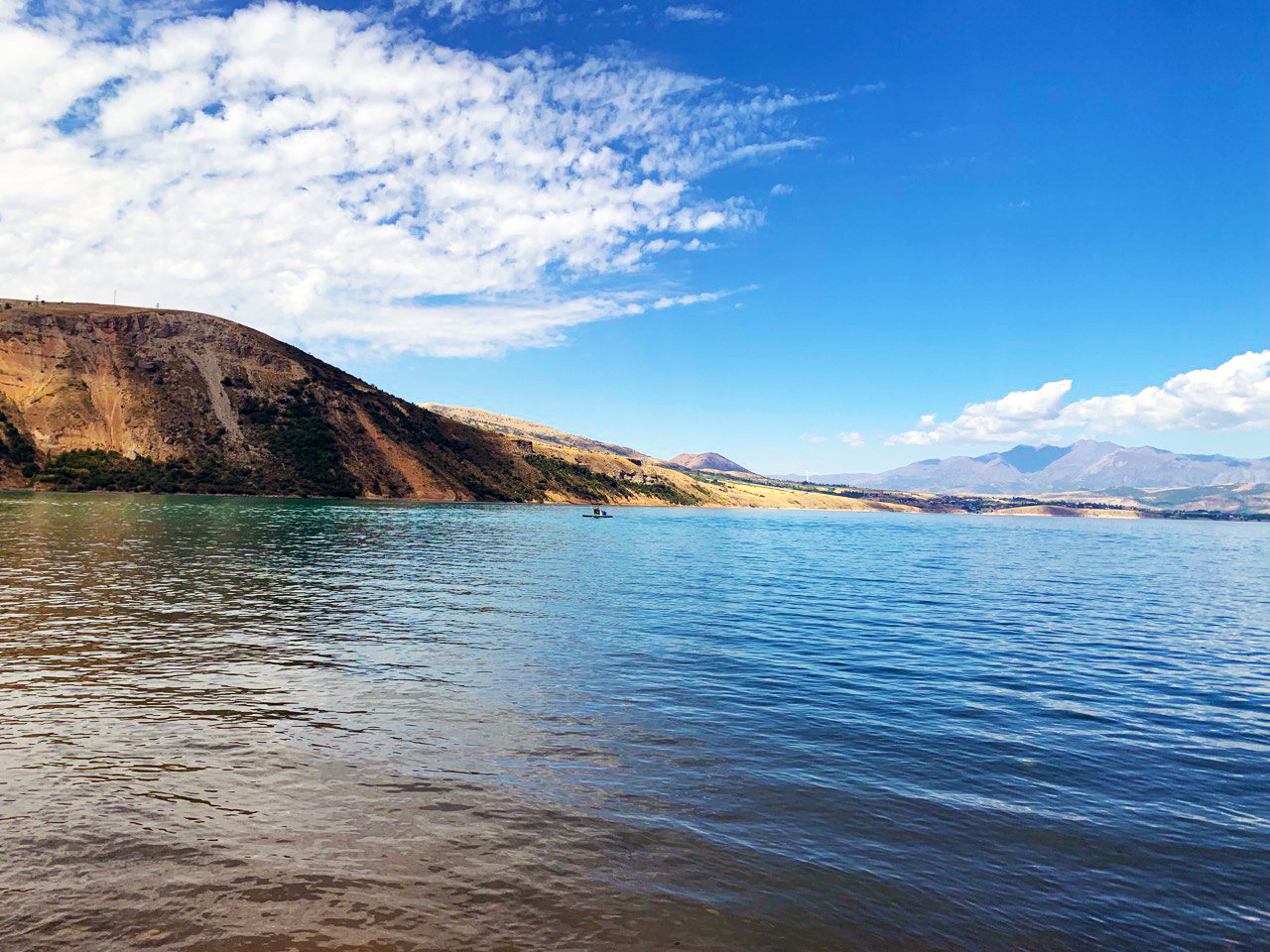
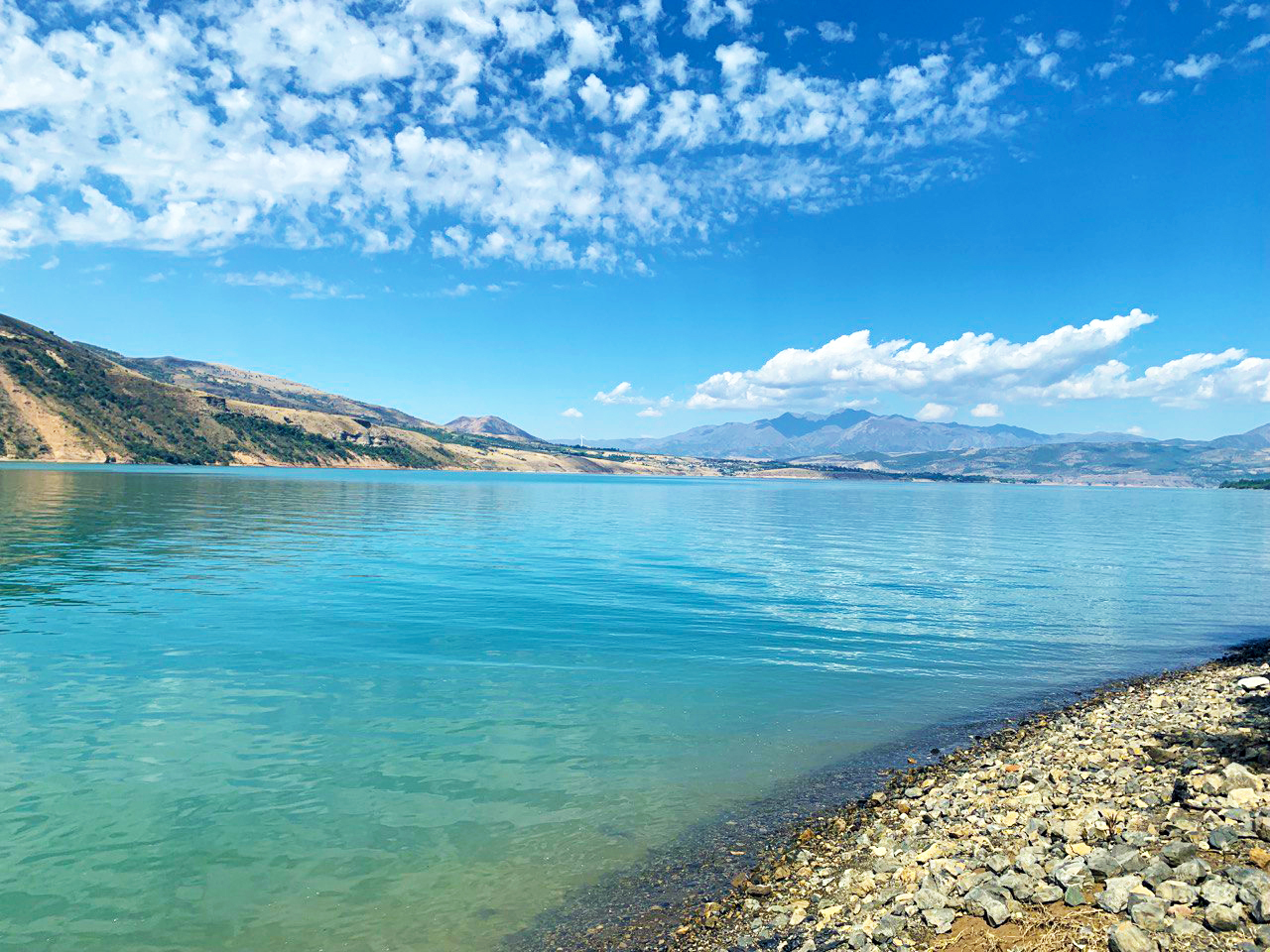
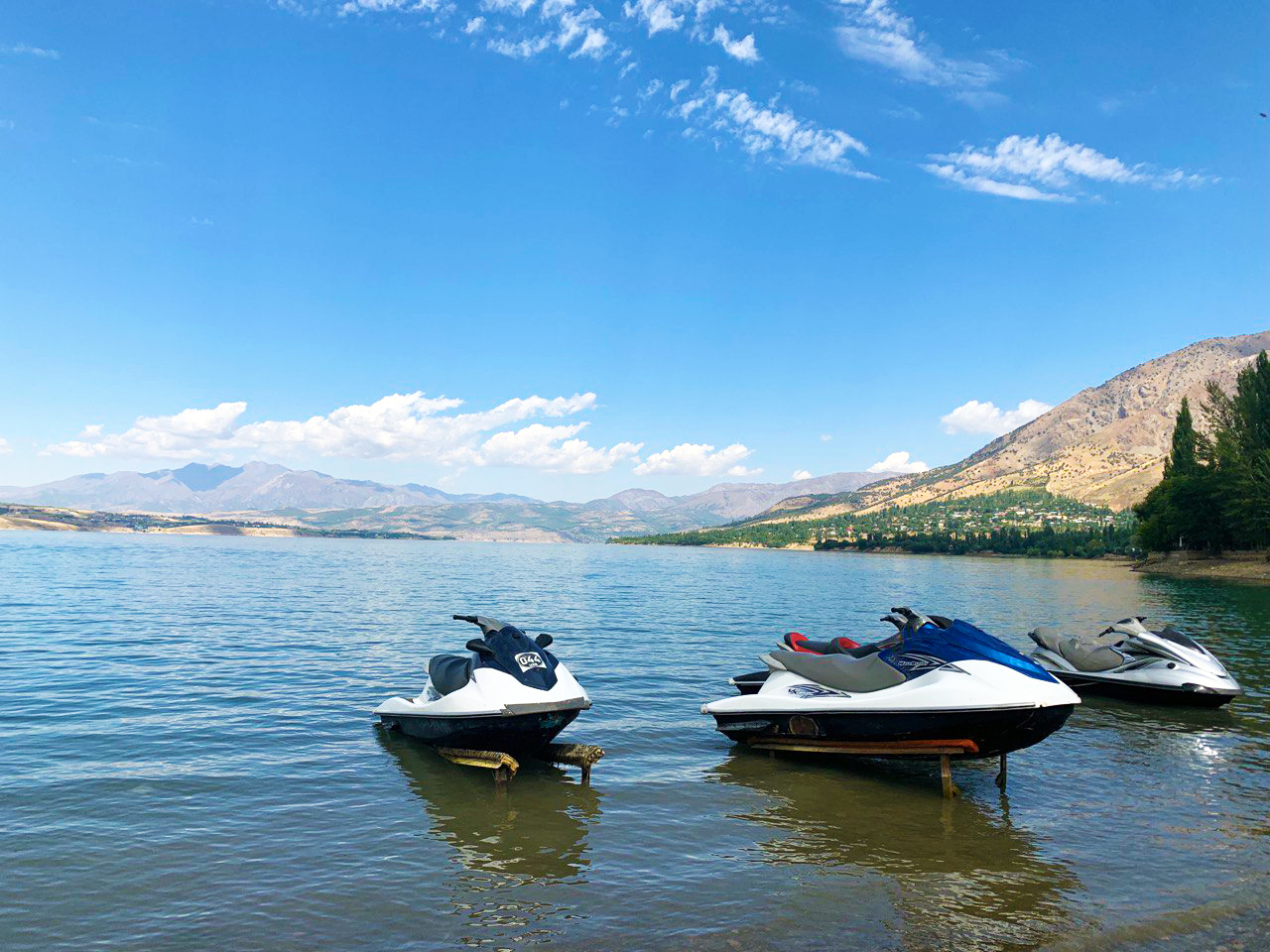

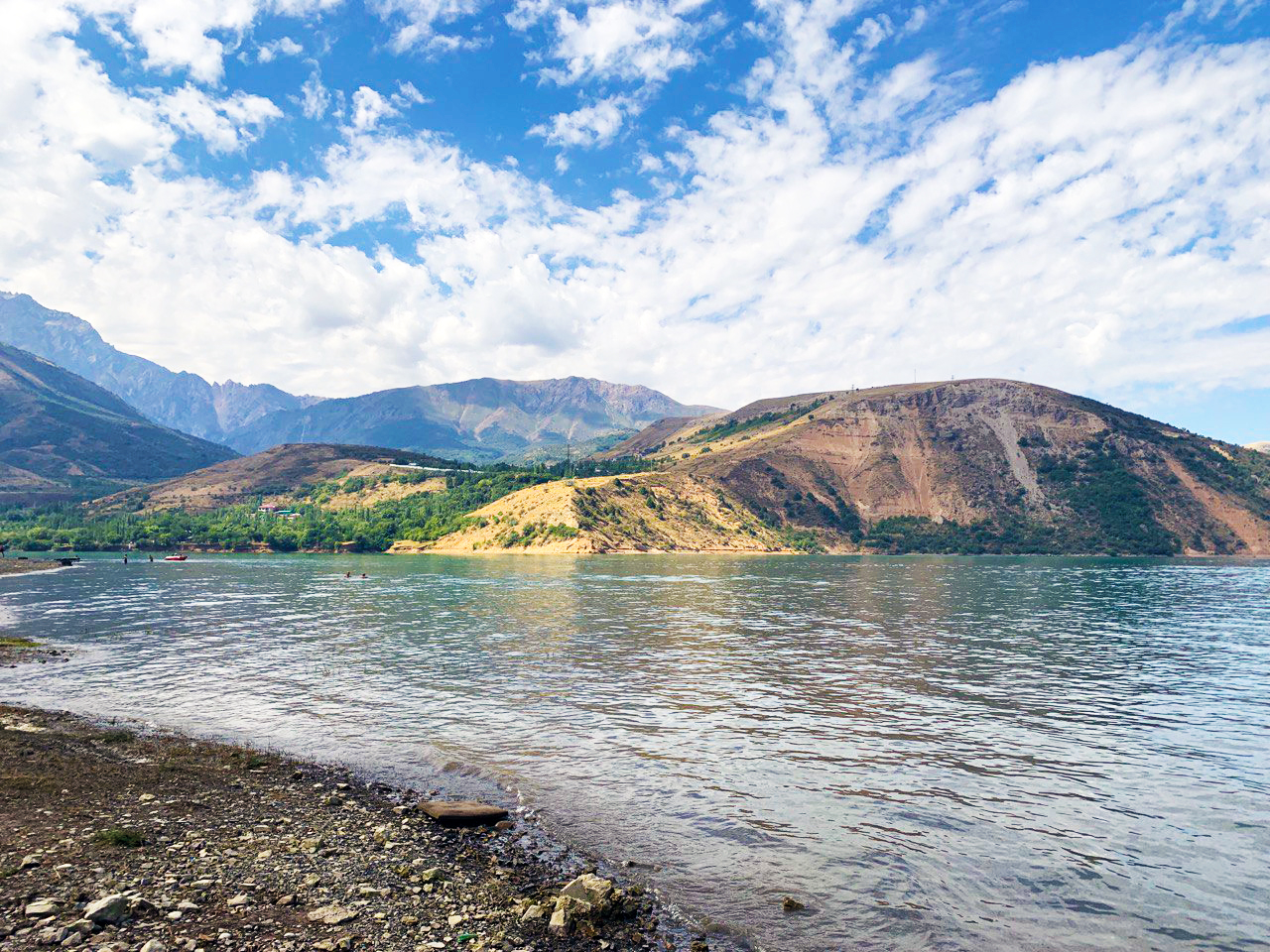
The Chimgan Mountains and the Charvak Water Reservoir – these are the favorite places of rest in the outskirts for many residents of Tashkent and guests of the country. Two hours drive and you are on the border between modern civilization and wilderness. We prefer to go there to rest from the hustle and bustle of the city, to breathe fresh air, to get a tan, to trek and all this happens in the picturesque mountains. Normally people spend 2-3 nights there in summer, and 1-2 days in winter. Upon arrival you have a possibility to go to the modern ski resort of Amirsay. Ascent by cable car to the top of the Kumbel ridge (2400 m) with an excellent view of the surrounding mountains and the Greater Chimgan.
The tourist center of Chimgan, offers you to go by cable car to the Greater Chimgan observation deck or to take a horseback ride along the gorge at the foot of the mountain, as well as a walk to the shore of the reservoir of water Charvak, surrounded by green mountain slopes. The lake, whose shores are 100 km long, is like a blue jewel framed by a mountain range. Before sunset, one can observe small rocks with the ancient rock carvings (petroglyphs) hidden under the shade of huge age-old plane trees.
 Voyage Wonder